


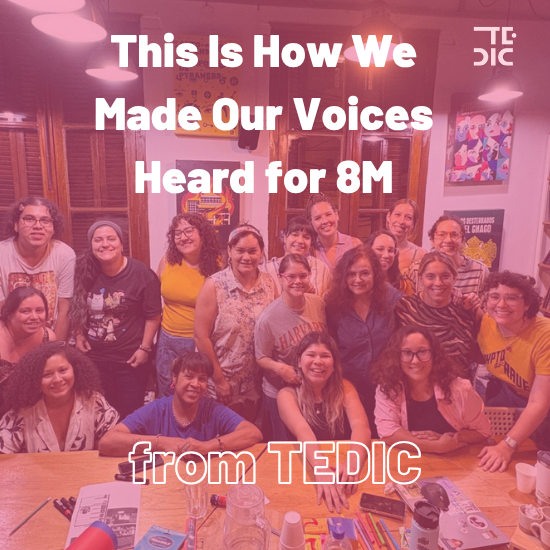
There are times when keeping the fight alive means reinventing our methods. This March 8 was one of those times.
In an international context of armed conflicts and political tensions, and in a Paraguay where we continue to regress on rights—with laws that seek to limit the participation of organized civil society—we chose to take action as we know how: by creating, connecting, and amplifying. Because at TEDIC, we know that the feminist struggle does not take place in a single territory or a single space. It takes place on the Internet, in the content that circulates, in the conversations we initiate, in the networks we weave, and in the ways we collectively care for one another.
This March 8, we decided to focus on actions that strengthen those networks, using tools, information, and messages that can reach more women and diverse groups from different spheres and sectors.
Below, we share a summary of what we did in connection with this date.
All-Male Panels: Whose Stories and Experiences Are Left Out?
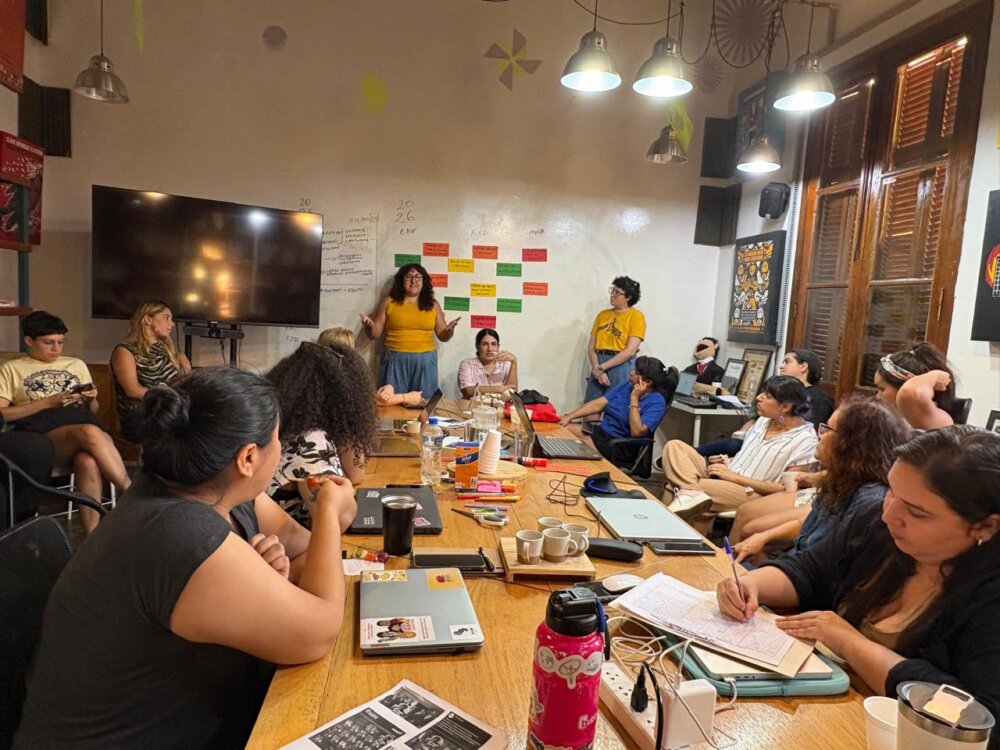
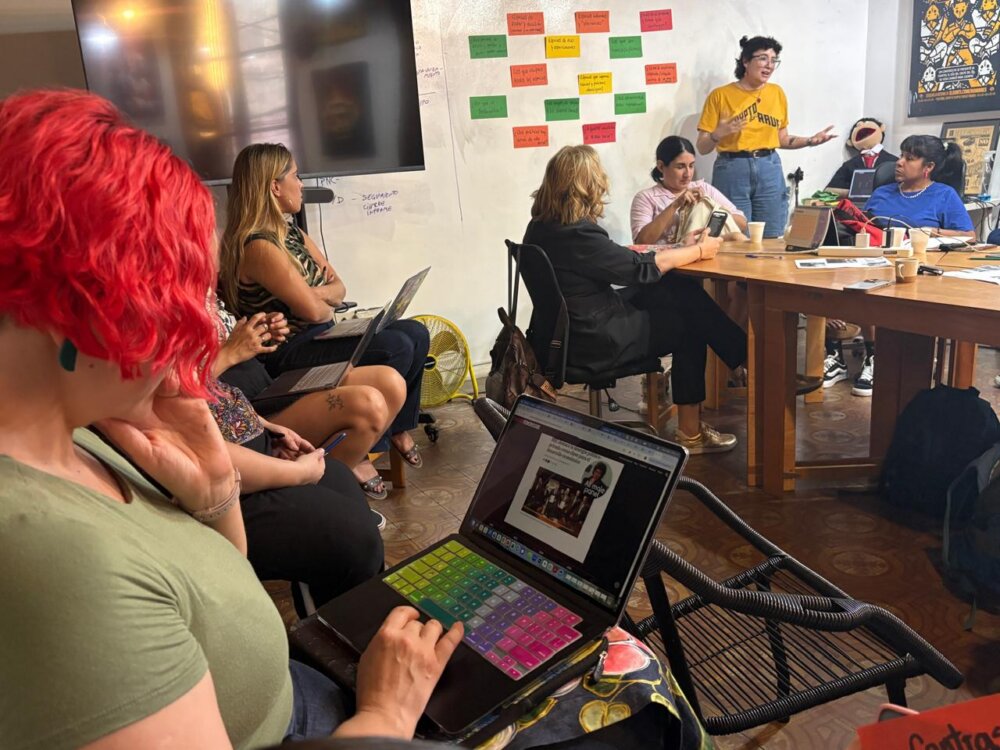
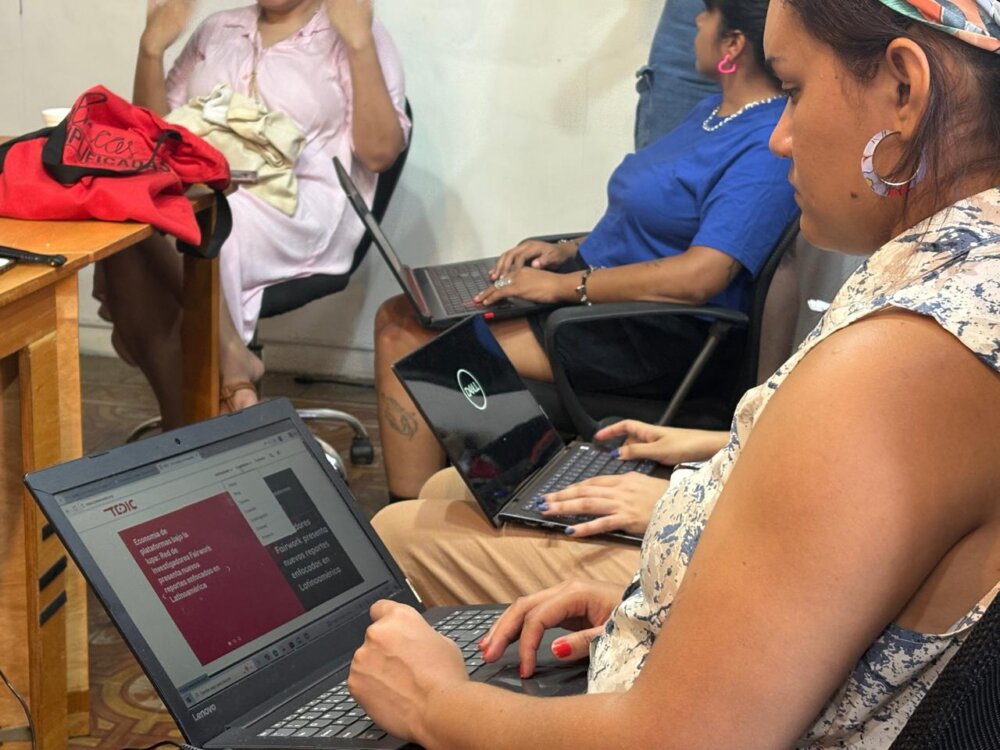
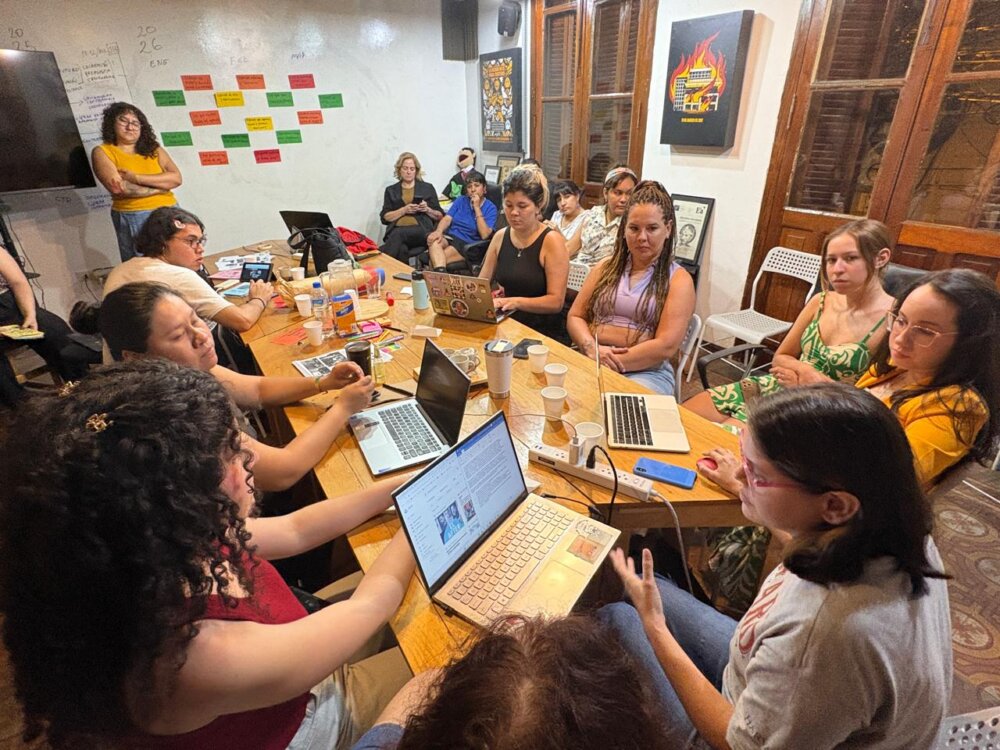
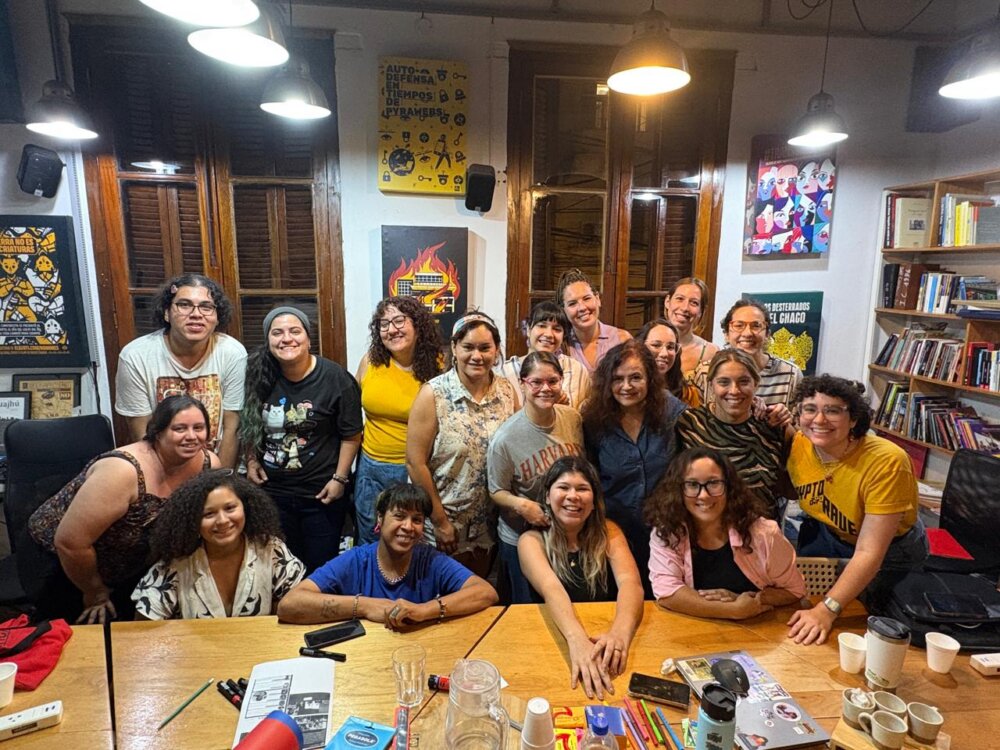
As our first initiative in the lead-up to International Women’s Day (March 8), TEDIC organized a feminist minga a space for gathering, conversation, and collective reflection on the representation of women and diverse groups in decision-making forums, public participation, and cultural production.
The event brought together feminists and leaders of women’s organizations in Paraguay, all with extensive backgrounds in activism and work for gender equality across various fields. The minga was designed as a horizontal space for exchange and the collective construction of knowledge.
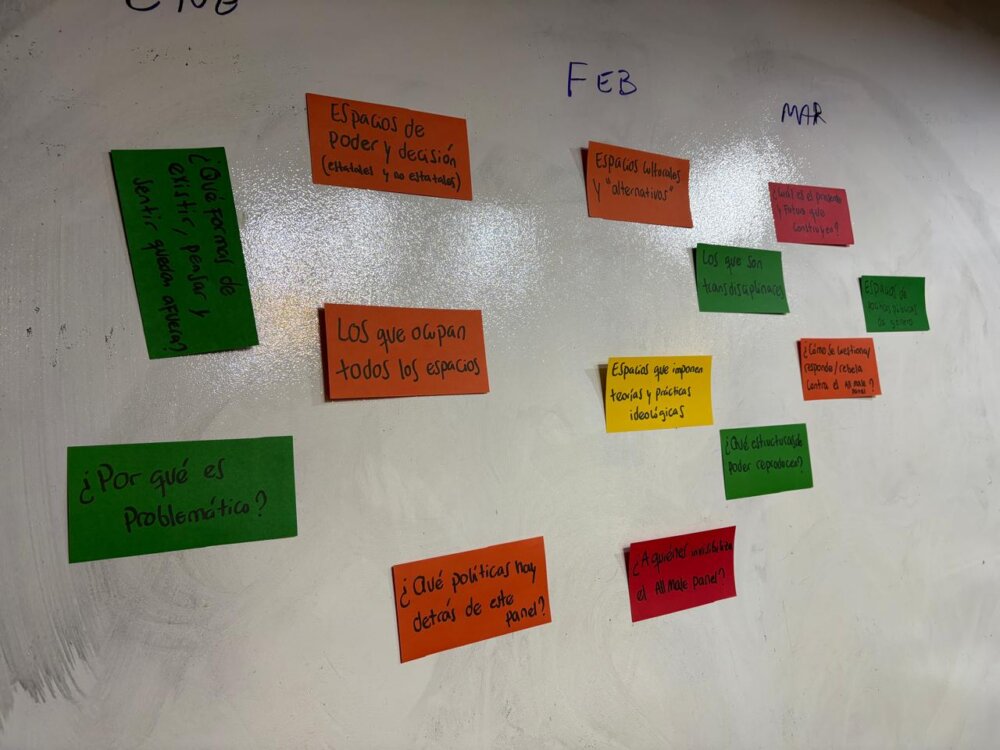
During the gathering, we worked with a selection of photographs compiled over the years for the All Male Panel project. Through a joint analysis of the images, we opened conversations about power, representation, and the absences that persist in spaces where the country’s public, cultural, and technological agendas are defined.
The participants shared critical analyses, personal experiences, and uncomfortable yet necessary questions: Who gets to speak? Who is left out? What narratives are legitimized when women and diverse groups are not represented?
This exercise in collective curation allowed us to reframe the images from a feminist perspective grounded in our own territories. The selected photographs will be part of an upcoming TEDIC project, the result of this collaborative process.
The minga thus became a space for creativity, critique, and political reaffirmation: we must continue to build new forms of participation and representation together.
Before March 8: Coming Together and Amplifying Our Voices
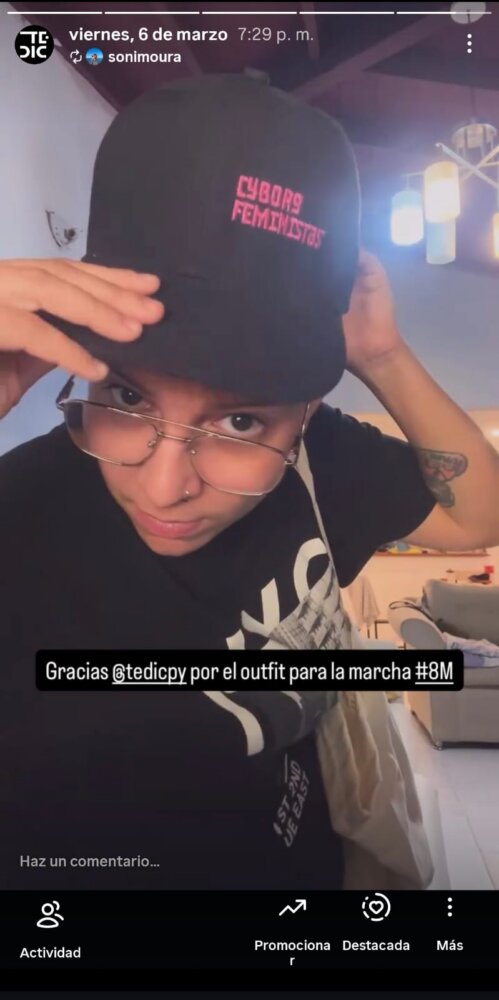
As part of our lead-up to March 8, we launched a March Kit aimed at activists, influencers, and journalists, with the goal of supporting, informing, and strengthening calls to action from various sectors.
This kit, designed as a tool for care and collective action, included:
• Our Guide to Free Demonstrations, with recommendations for exercising the right to protest in an informed and safe manner in the face of potential violations.
• The Feminisms and Technologies research, to spark discussion about the role of women in digital technological environments.
• Stickers from various campaigns and posters from “Digital Violence Is Real,” aiming to highlight the attacks we also face online.
• A cyborg-feminist fan, designed both to beat the heat and to carry a political message on the body.
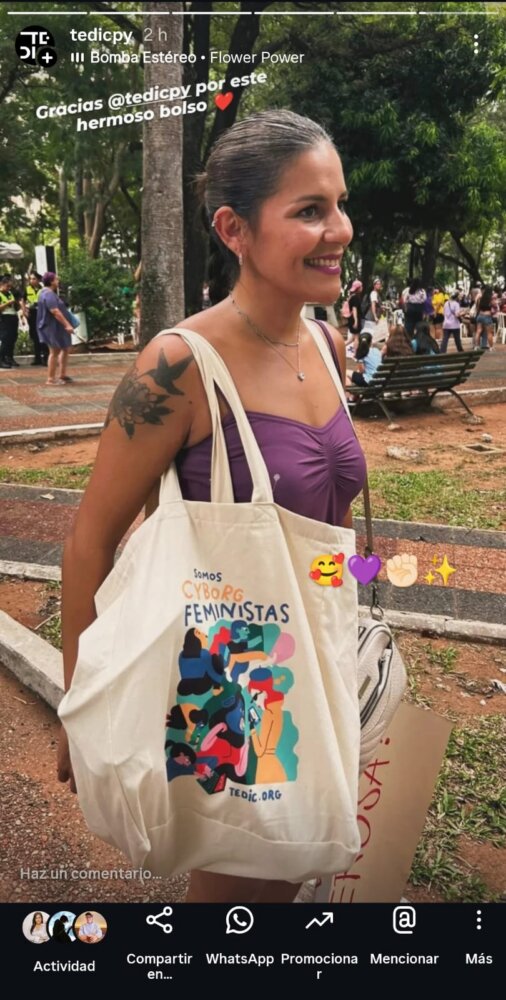
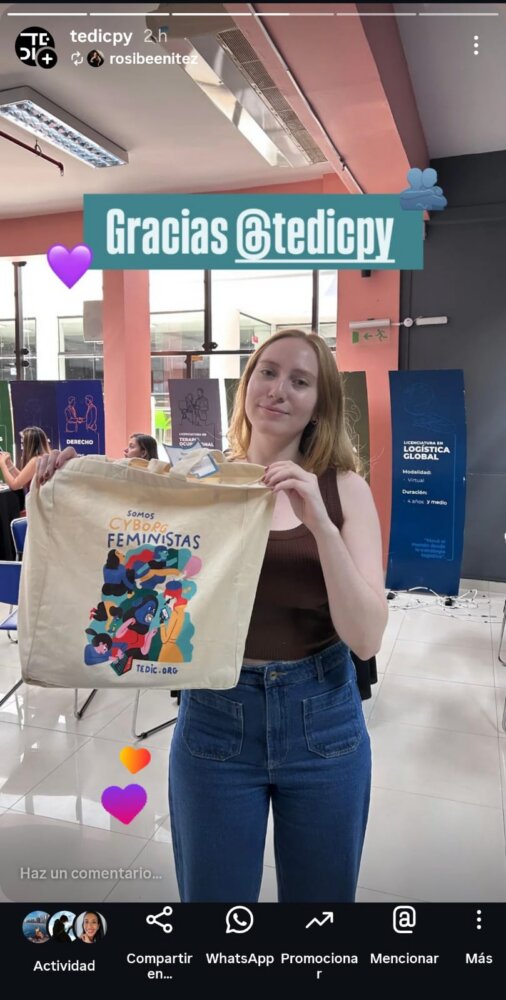
• A Cyborgfeminista tote bag so you can march in comfort.
• Fanzines from Mente en Línea, our campaign on mental health in digital environments, because we know that navigating the internet also involves emotional strain that impacts women and dissidents more severely.
Through this initiative, we aim for these voices—which reach diverse audiences—to amplify the message, call for mobilization, and spark conversation around digital rights from a feminist perspective.
Among those who received the kit are Majo Herrero (Mi Corazón de Arroz), Laila Bareiro, Montse Valladares, Sonia Moura, and Fabu Pop, who, through their platforms, help sustain these discussions and expand them to new audiences.
Between Meetings, Networks, and Debates
Throughout March, we participated in various national and international forums where discussions on feminism, technology, and democracy intersected. Being present at these gatherings helps us expand our networks and partnerships. It also allows us to bring Paraguayan experiences into broader conversations and incorporate new insights into our daily work. Below, we share some of the forums where we contributed our perspective.
Recognition for the Defense of Rights
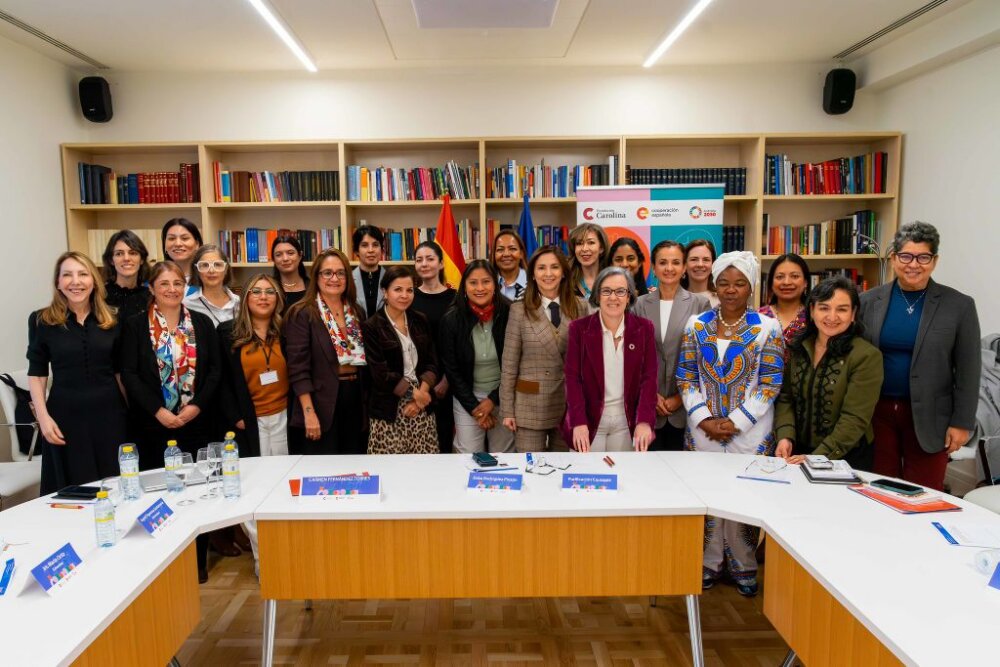
In March, our executive director, Maricarmen Sequera, was selected to participate in the Program for the Recognition and Exchange of Ibero-American Women Leaders, an initiative promoted by Spanish Cooperation and the Carolina Foundation that highlights the careers of women who are making a social and political impact in the region.
This recognition not only celebrates an individual journey but also puts on the international map the sustained work we have been building from Paraguay in defense of digital rights and feminism. The fact that the Spanish Embassy nominated Maricarmen speaks to the place TEDIC now occupies within regional conversations on democracy, technology, and human rights.
The program brought together women leaders from various Latin American countries in Madrid to share experiences, strengthen networks, and reflect together on current challenges. For us, these kinds of forums are essential because they confirm something we have known for a long time: local struggles are connected to global debates, and the experiences of the Global South are also vital to the development of knowledge, strategies, and leadership.
Combating Misinformation Through Organization
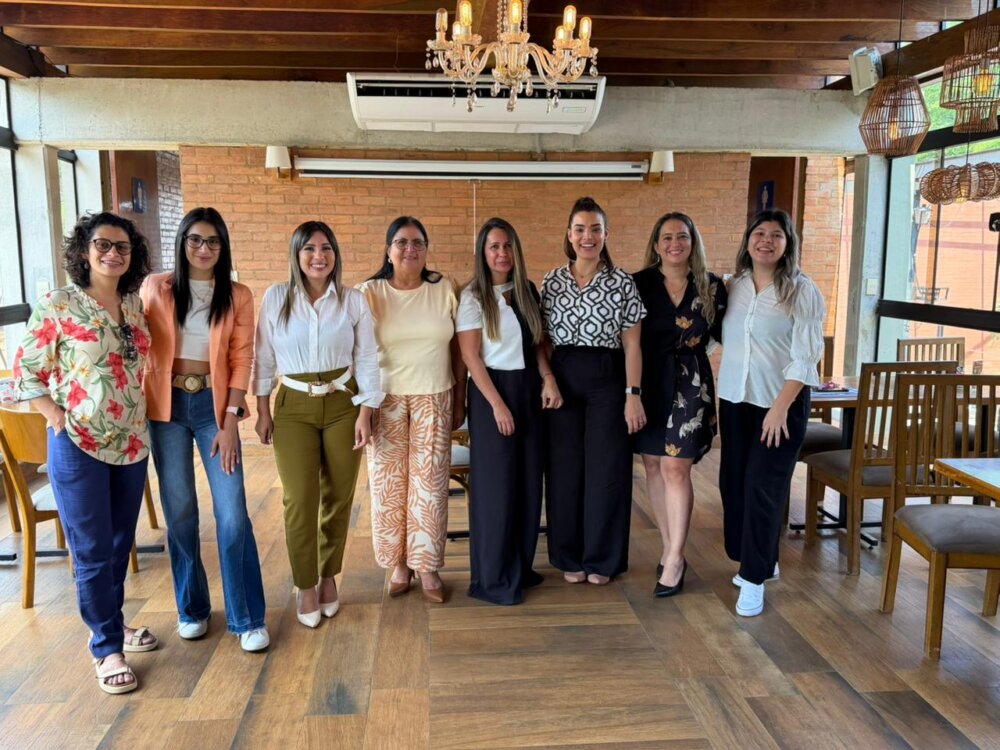
As a feminist organization, we remain committed to creating spaces for direct dialogue with public decision-makers. In this context, we hosted a luncheon with female council members from the Central Department to discuss digital violence and misinformation—phenomena that disproportionately impact women’s political participation.
The meeting provided an opportunity to share concrete experiences: coordinated smear campaigns, the circulation of false information, and forms of harassment aimed at discouraging the presence of women and dissidents in politics. It was a safe space to share tools, prevention strategies, and mechanisms for collective response.
In an election year, these conversations become especially important. Talking about misinformation isn’t just about what circulates online; it’s about understanding how it affects the lives of women who speak out publicly. That is why we must defend and promote women’s right to participate in political and public life—without fear, without being silenced, and without violence.
Local Voices in Global Networks
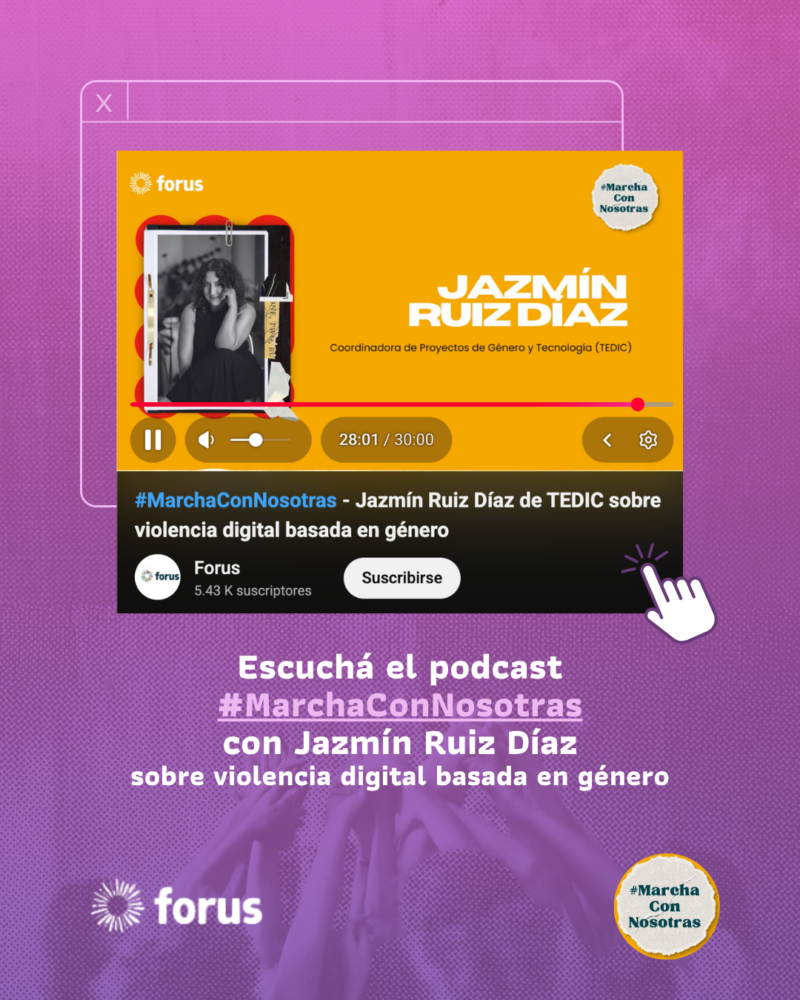
Forus International, a global network that brings together civil society organizations to strengthen democracy, social justice, and citizen participation at the international level, interviewed our project coordinator, Jazmín Ruiz Díaz.
The conversation addressed gender-based digital violence in Paraguay, its impact on victims’ lives, and the challenges faced by those who try to report or resist these attacks. Jazmín emphasized that these acts of violence are not isolated incidents, but rather expressions of structural inequalities that are amplified by hostile technologies and information ecosystems.
Participating in these types of international forums allows us to highlight that what is happening in Paraguay is part of a global problem, as well as the fact that local feminist movements are building the responses, support networks, and forms of resistance necessary to sustain democratic participation.
Even before social media, media violence already existed
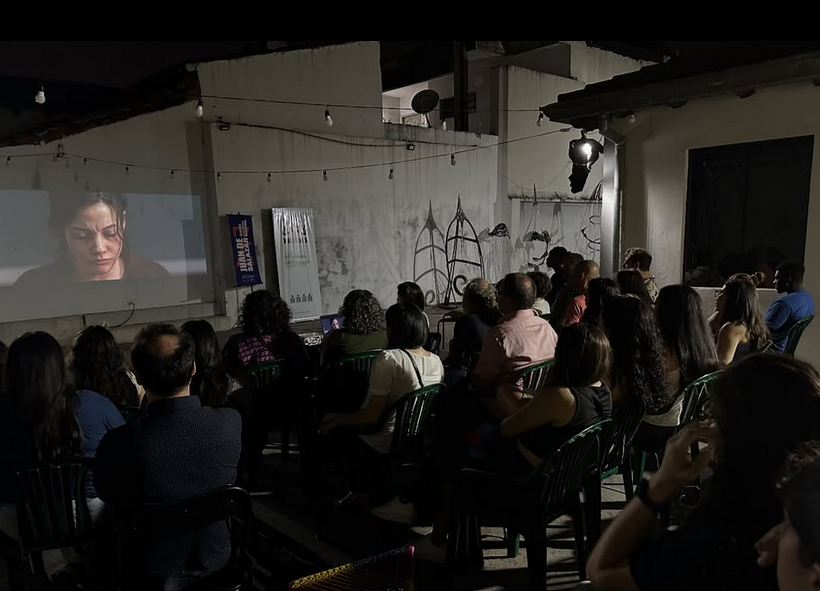
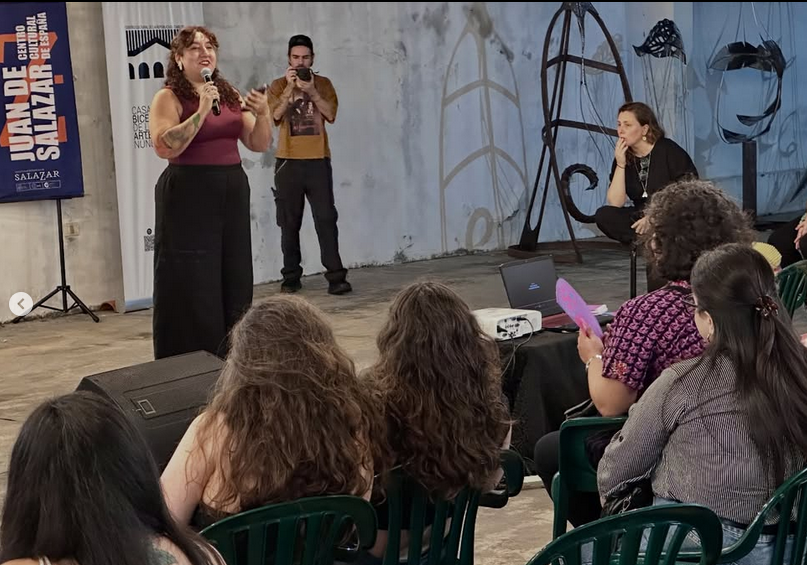
We participated in the “Tiempo de Mujeres” series organized by the Juan de Salazar Cultural Center, which featured Edith Correa’s performance Cántaro and a screening of the film Soy Nevenka.
TEDIC moderated the discussion following the screening, which revisited the story of Nevenka Fernández, the first female politician in Spain to report sexual harassment in the political sphere, and the intense media persecution she faced after filing the complaint.
The discussion allowed us to reflect on a fundamental point: digital violence did not begin with social media. Long before the digital age, the media, public opinion, and dominant narratives were already amplifying gender-based violence. Today, technology accelerates and expands these dynamics, facilitating campaigns of disinformation, harassment, and discrediting.
That is why these cultural spaces are also political spaces, as they help us understand that the fight against digital violence is, at its core, a historical struggle against the structures that seek to silence women when they speak out.
Joining international efforts
We are participating in the Fourth Global Symposium on Technology-Facilitated Gender-Based Violence as part of the Advisory Group.
This global symposium brings together researchers, activists, and organizations working to combat technology-facilitated gender-based violence. Our participation in the advisory group reflects TEDIC’s commitment to the collective development of international agendas and to strengthening spaces that seek coordinated responses to a problem that transcends borders.
TEDIC on Social Media
During this period, our social media platforms served as a space for outreach, remembrance, and political advocacy. We shared content focused on digital safety, such as recommendations for safe sexting; we highlighted the historical recovery work of Paraguayan women through our edit-a-thons and the podcast *Las joyas borradas de la historia*; and we marked International Women’s Day by bringing our cyborg-feminist reflections to both the streets and the digital space. We also shared critical analyses of contemporary phenomena such as the Latin American manosphere, providing tools to understand how anti-feminist violence and discourse circulate and gain strength online.
See you in the streets, and online…
At TEDIC, we remain committed to feminist organizing, collective action, and the defense of rights every single day of the year.
We’ll see you on the upcoming 8M, but we’ll also see you in every research project, every event, every post, and every space where we choose to work with women and diverse communities, uphold an intersectional gender approach, and defend collective participation. Because we know that it is in our daily lives and in our collective efforts where our struggles are truly sustained.
 AI Impact Summit 2026: Between Global Expectations and Governance Challenges