


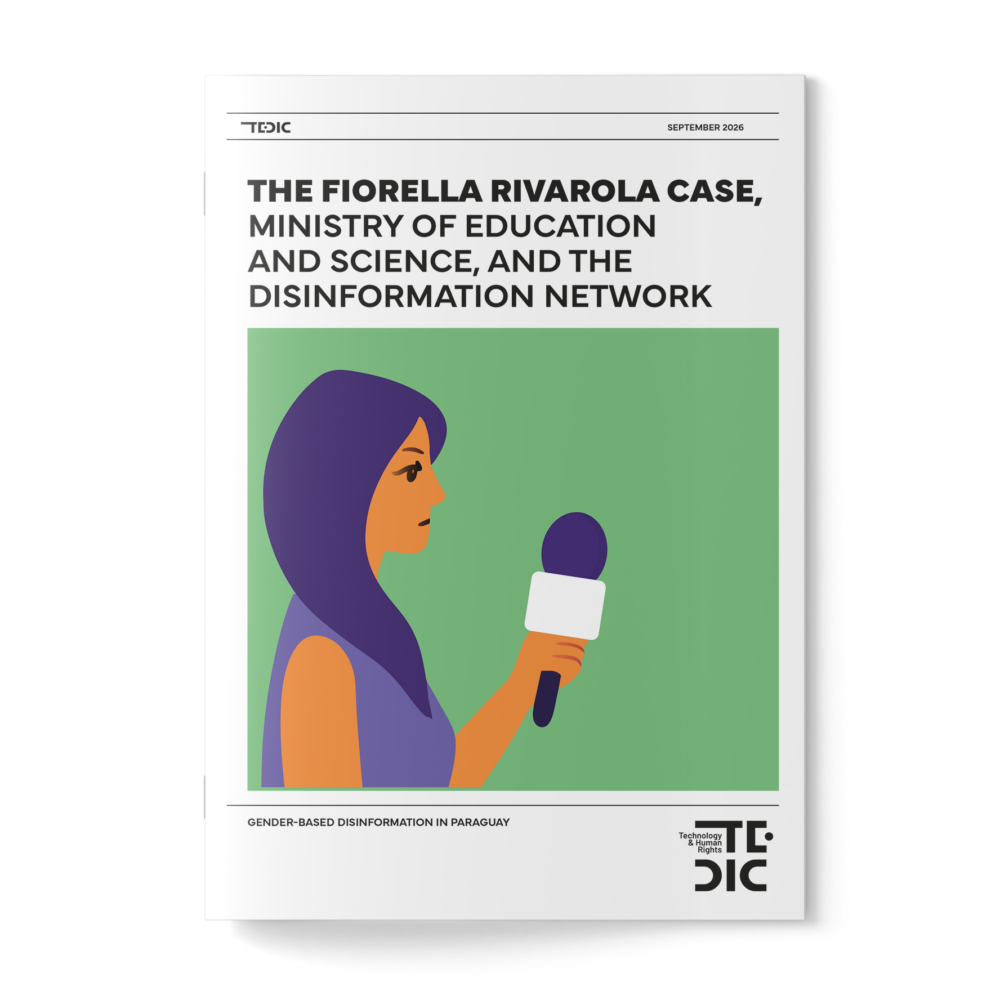
How do disinformation and digital violence campaigns against women journalists operate in Paraguay? What happens when these dynamics intersect with political actors, public institutions, and networks of social media accounts?
The research “The Fiorella Rivarola Case, the Ministry of Education and Sciences, and the Disinformation Network,” by Nadia Gómez, explores these questions through the case of Paraguayan journalist Fiorella Rivarola. The study examines how a journalistic report on the infrastructure conditions of a public school triggered a series of institutional responses and smear campaigns targeting the journalist.
The case shows how digital violence against women can go beyond isolated incidents and become part of broader strategies of disinformation and harassment. In this context, elements related to Rivarola’s gender and age were used to undermine her professional credibility and shift attention away from the substance of her journalistic work.
By reconstructing the events, the research examines the rapid response from the Ministry of Education and Sciences (MEC) after Fiorella Rivarola reported on the infrastructure deficiencies of an educational institution. This was followed by publications and attacks originating from media outlets and social media pages linked to political and government-aligned sectors, forming what the research describes as a “disinformation network.”
The analysis also draws on findings from an investigation by ABC Color journalist Leonardo Gómez Berniga, which identified 14 social media pages that allegedly coordinated their actions and spent approximately US$472,000 on Meta advertising. These resources also show connections to Digimarketing SAS, a Colombian agency responsible for managing the government’s official advertising.
The gender dimension is particularly significant. According to data analyzed from the Despierta Paraguay page, women journalists accounted for 37.5% of the people mentioned, yet were the targets of approximately 60% of the attacks. These figures illustrate how gender can become a determining factor in targeted harassment and disinformation campaigns.
Nadia Gómez’s research, developed as part of a TEDIC initiative with support from the European Union, places this case within a broader discussion on digital violence, freedom of expression, and gender. The research argues that these campaigns not only seek to damage the reputation of an individual journalist, but can also have a silencing effect on other women journalists and critical voices.
To broaden this perspective, the study places the Paraguayan case in dialogue with international experiences, including those of journalists Patrícia Campos Mello in Brazil and Julia Mengolini in Argentina. These cases reveal similar patterns of attacks that rely on gender stereotypes, disinformation, and scrutiny of journalists’ personal lives to undermine their professional work.
Ultimately, “The Fiorella Rivarola Case, the Ministry of Education and Sciences, and the Disinformation Network” proposes understanding digital violence against women journalists not as a series of isolated attacks, but as a phenomenon that can involve coordinated dynamics of power, gender, and disinformation.
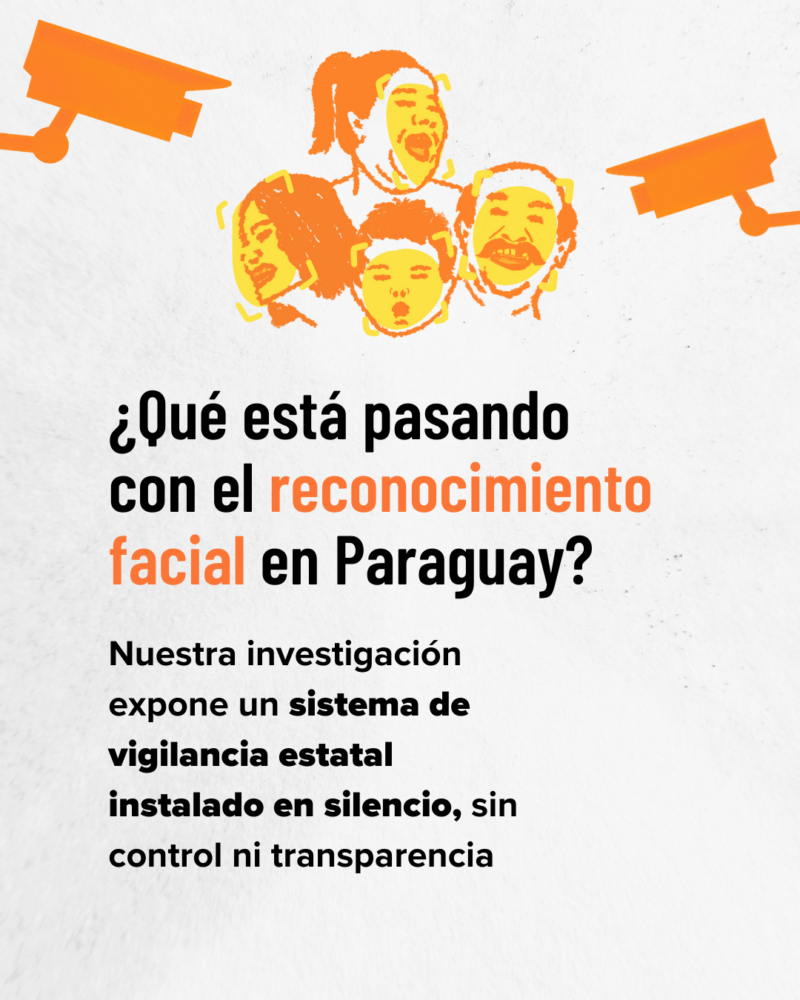 Not with my face: The Paraguayan State deploys facial recognition without transparency or oversight