


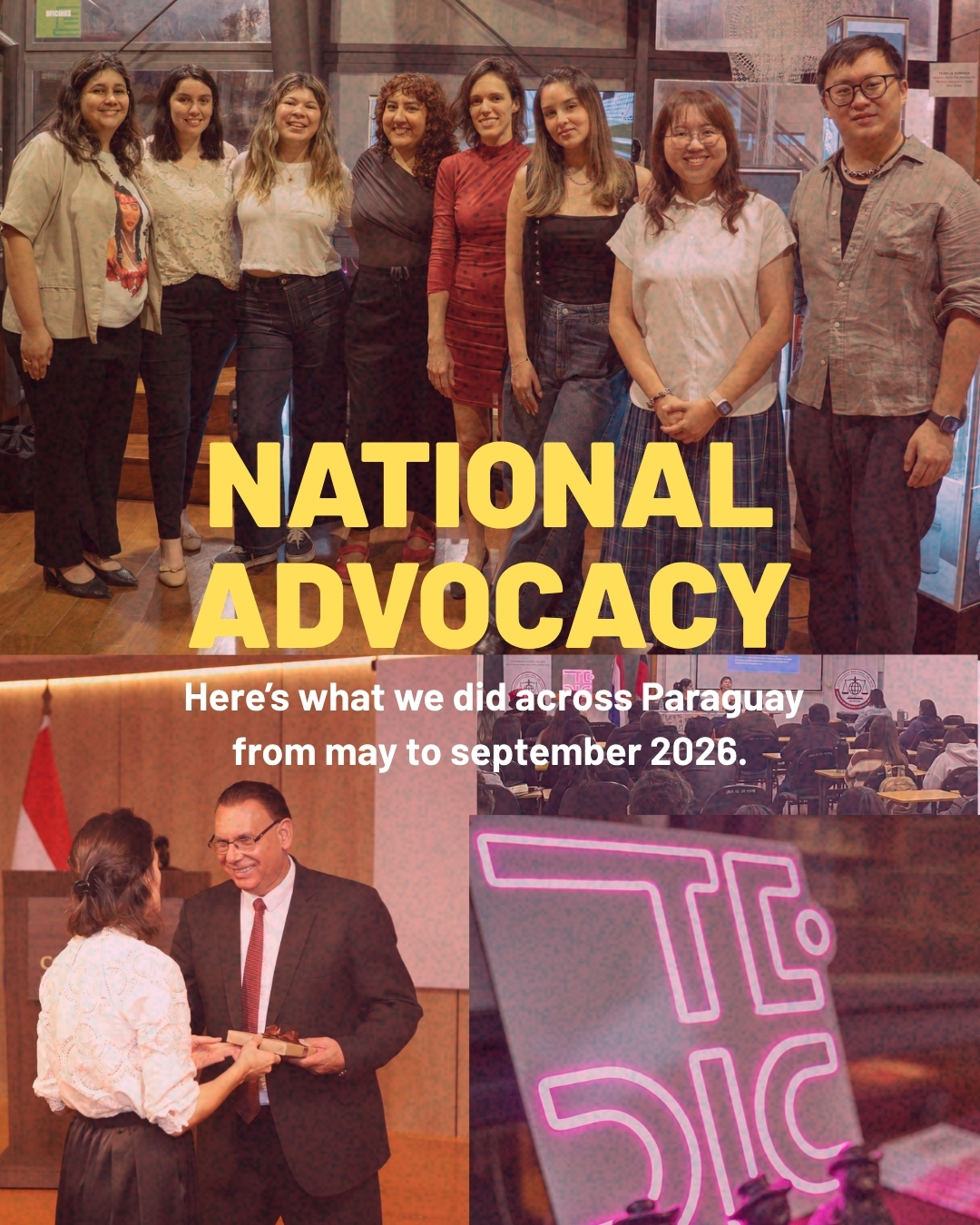
At TEDIC, we continue to advance advocacy agendas and strengthen collaborations with a range of stakeholders to put human rights at the center of debates and decisions about technology. Through meetings, research, dialogue, and collaboration with civil society organizations, public institutions, and other sectors, we continue working to promote a critical perspective on the challenges our rights face in digital environments and the impact these challenges have on everyday life.
In this roundup, we share some of the initiatives we led and supported in Paraguay over the past five months.
Paraguay and the U.S. Special 301 Report
In June, we published an analysis of the U.S. Special 301 Report and Paraguay’s position on this trade pressure mechanism related to intellectual property. The article examines how its recommendations may influence national policies and emphasizes the importance of protecting access to knowledge and culture, as well as human rights, while taking the country’s needs and interests into account.
Research on electronic monitoring anklets in Paraguay
In June, we presented exploratory research on the Electronic Monitoring Device System (SIMDEC) and other technologies used in responses to gender-based violence in Paraguay. The study examines the conditions under which these tools are implemented and their implications for women’s protection, raising questions about the limits of technological responses to an issue that requires comprehensive public policies.
Among its key findings, the research highlights technical and connectivity challenges that may affect how the system operates, as well as risks related to the handling of personal data and the lack of adequate safeguards. It also raises questions about the burden placed on victims themselves to keep the monitoring tools functioning. These findings contribute evidence to public debate and advocacy for protection policies that prioritize women’s safety, autonomy, and rights, without assuming that technology alone can solve gender-based violence.
Public hearing on the Cybersecurity Law
On August 17, we took part in a public hearing at the Chamber of Deputies to discuss legislative proposals on cybersecurity in Paraguay. Jazmín Ruiz Díaz, TEDIC’s project coordinator, represented the organization at the hearing, which brought together representatives from civil society, the private sector, technical communities, and public institutions. During the process, we submitted a legal opinion with comments and recommendations to help shape legislation that addresses digital security challenges from a human rights perspective.
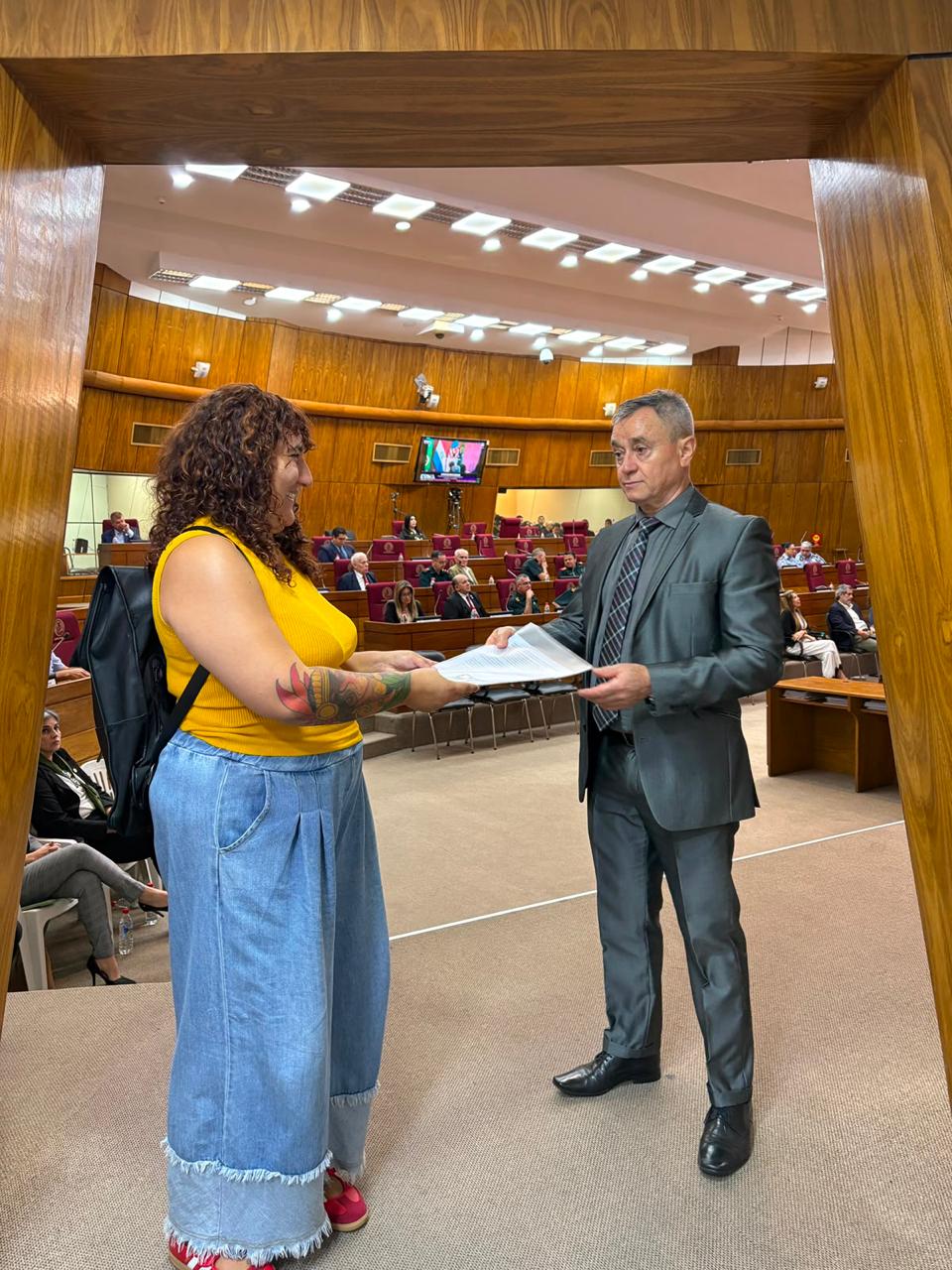

Our participation was guided by a central concern: Paraguay needs to strengthen its cybersecurity, but this requires sound legislation based on prior assessments, technical criteria, and multisectoral participation—not rushed responses to crises. In our analysis, we highlighted the risks of punitive and militarized approaches that treat cybersecurity primarily as a matter of state defense, sidelining the protection of individuals. We also stressed the importance of keeping these policies under civilian leadership and involving sectors such as academia, civil society organizations, and human rights institutions.
We are also concerned that the legislative proposals conflate distinct areas, such as cybersecurity, personal data protection, and cybercrime, and refer to human rights without translating them into concrete safeguards. An effective policy must include protections for privacy, freedom of expression, and access to information, as well as tools such as encryption, anonymity, and privacy by design. These are essential to ensure that a law intended to protect the digital environment does not end up enabling greater surveillance or restrictions on people.
Following the consultation process, the three initial proposals moved toward being consolidated into a single draft bill. At TEDIC, we continue contributing to this discussion so that future legislation does more than punish and prevent crimes: it should also promote an internet that is safe, free, and inclusive, with human rights as a guiding principle and opportunities for all relevant sectors to participate.
Technology and elections: training for informed civic participation
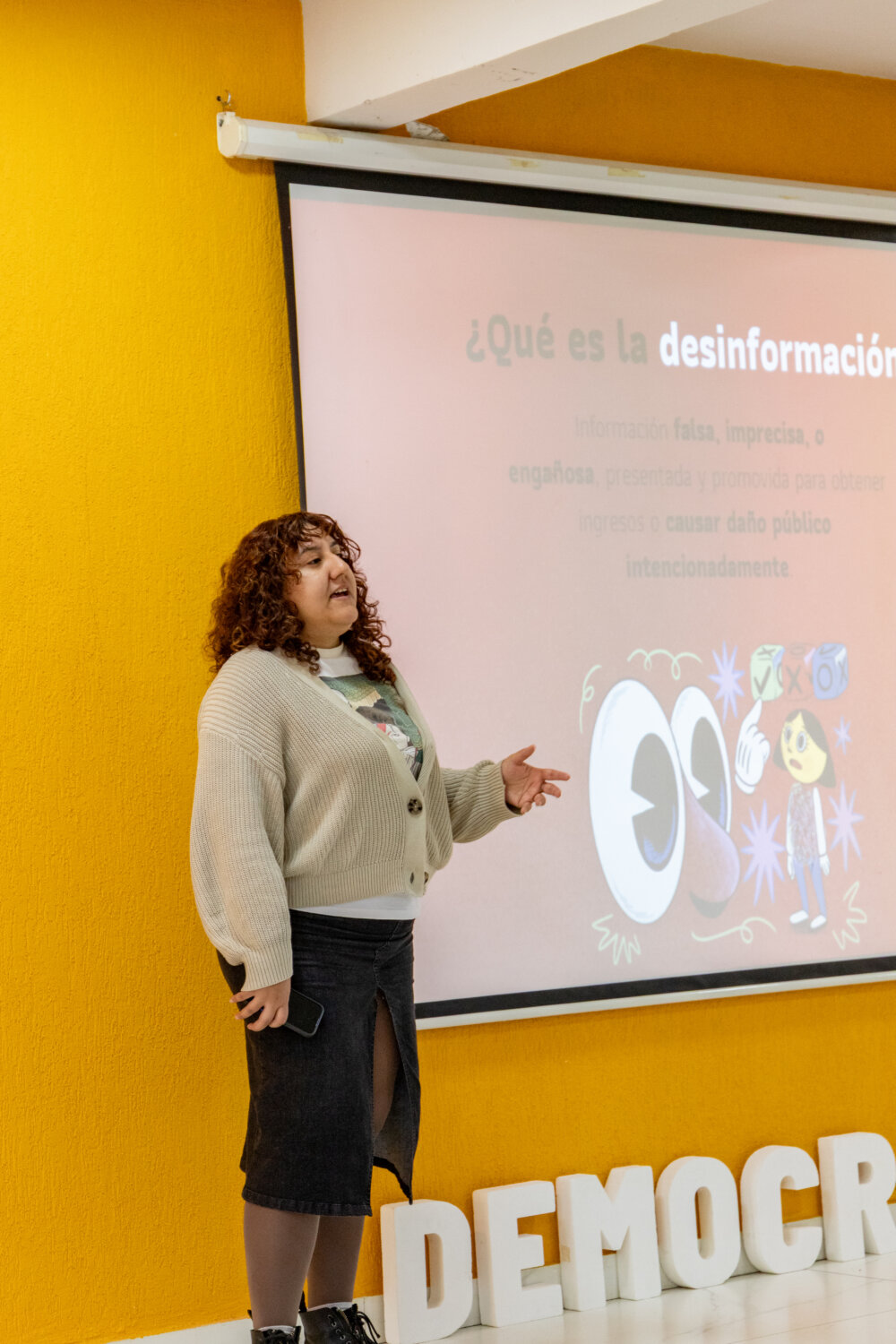
In the months leading up to Paraguay’s October municipal elections, the country entered a new campaign period. Electronic voting machines had already been part of the last two electoral cycles. Drawing on research conducted as part of our Technology and Elections project, TEDIC organized four training and discussion sessions with different communities to reflect on the challenges technology poses to democracy and political participation.
The first session took place on July 4 and 5 at Táva Apo, a training program led by Alma Cívica that brings together young people involved in politics, activists, and human rights defenders. There, we led workshops on disinformation during election periods and technology-facilitated gender-based violence targeting women in politics. We later held an online session with the same group to explore electronic voting and its implications for transparency, security, and trust in electoral processes.

In August, we brought these discussions to Ciudad del Este through an event with the Faculty of Law and Social Sciences at the National University of the East, for students, faculty, and other interested participants. The event focused on three areas: the challenges of electronic voting; the spread of disinformation during campaigns, including new risks associated with artificial intelligence; and digital violence affecting women’s political participation. Finally, in Encarnación, we held a dialogue with city council members and political leaders, where technology-facilitated gender-based violence and the impact of disinformation were identified as major threats to democracy in the area.
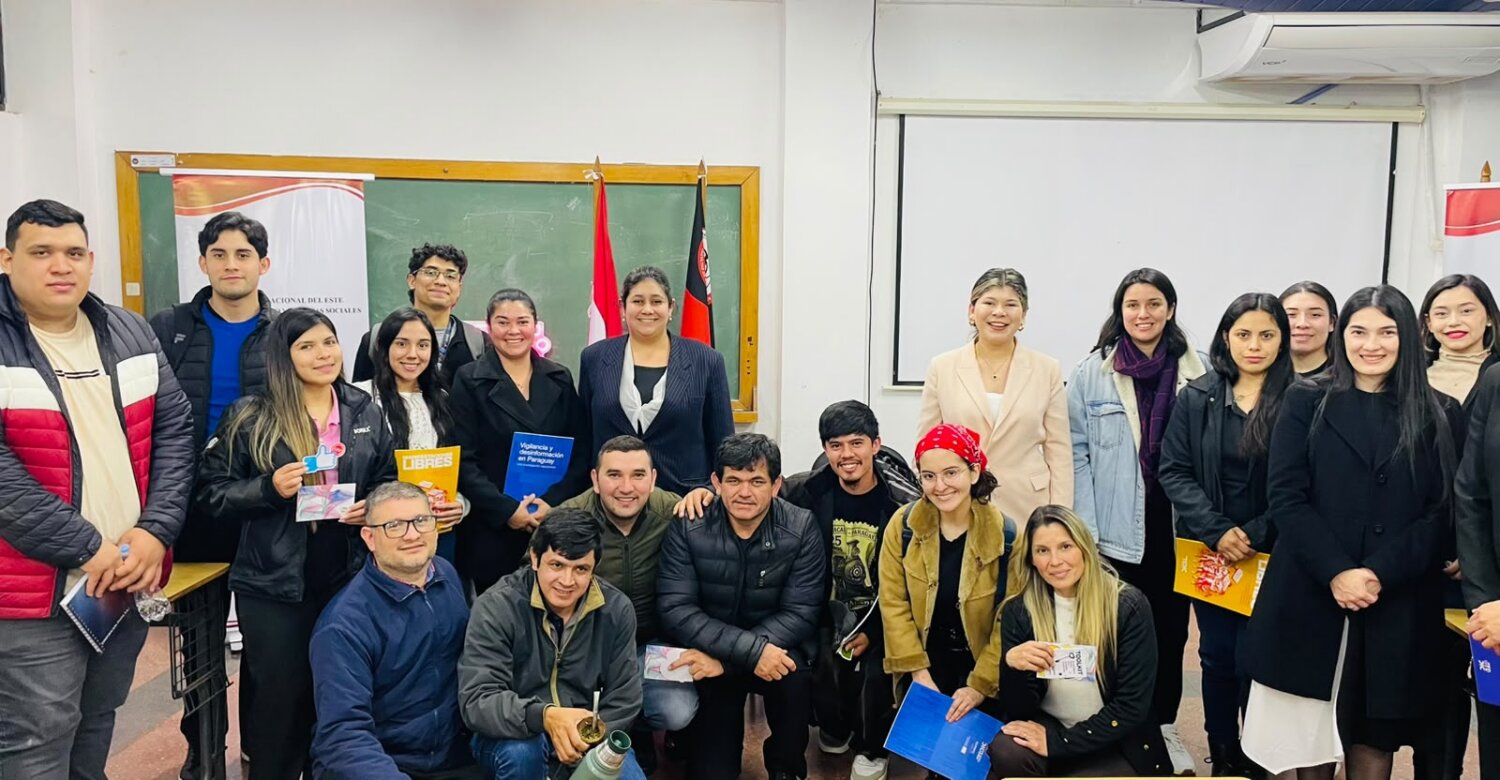
These sessions allow us to bring research and discussions about technology and democracy to people with diverse experiences and backgrounds, giving them tools to identify risks, question practices, and take part in electoral processes with greater awareness. We believe that strengthening civic participation also means discussing how technologies are used, how they affect political rights, and what is needed to build democratic processes that are transparent, inclusive, and respectful of human rights.
Human rights in the judiciary: training on privacy and data protection
In early September, we organized the seminar Human Rights in the Judiciary: Privacy, Data Protection, and Surveillance in Security Activities, in partnership with the Judicial School and the Council of the Magistracy. Held on September 2 and 3, the event brought together national and international experts to reflect on the challenges posed by surveillance technologies and the use of personal data in state activities, as well as the justice system’s responsibility to protect fundamental rights.
The training addressed the need for effective safeguards as the state’s surveillance capabilities expand, particularly as the use of new technologies makes it necessary to update the knowledge and tools of those who administer justice. Privacy and personal data protection are not merely technical issues: they are fundamental rights that must guide judicial decisions and set clear limits on the use of technologies that may affect people.
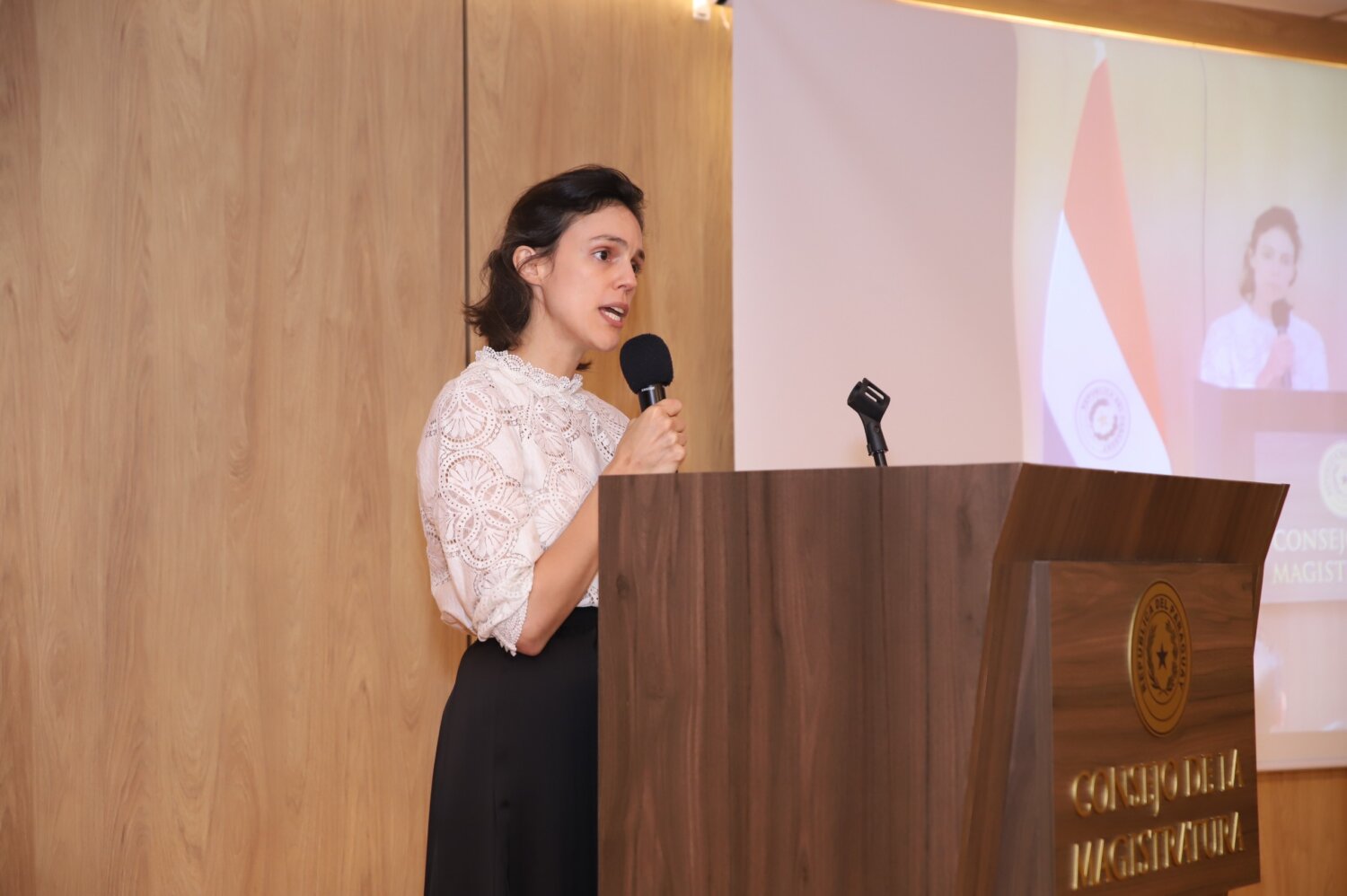
The event also strengthened collaboration among TEDIC, the Judicial School, and the Council of the Magistracy, with the aim of making a human rights perspective a lasting part of judicial training in Paraguay. The participation of partner organizations such as the Electronic Frontier Foundation (EFF), Derechos Digitales, and the Center for Justice and International Law (CEJIL) brought regional and international experience and perspectives to the discussion.
Strengthening the justice system’s capacity is essential to ensuring that privacy and personal data protection translate into concrete safeguards. This joint work helps give those responsible for interpreting and applying the law the tools to assess the impact of technology and protect human rights in their work.
Disinformation, advertising, and artificial intelligence
In collaboration with El Círculo, we held a discussion on disinformation and the role of advertising agencies, with members of the Paraguayan Association of Advertising Agencies (APAP). The event opened up a space for dialogue on the advertising sector’s responsibility for the spread of disinformation and the challenges artificial intelligence poses to communication.

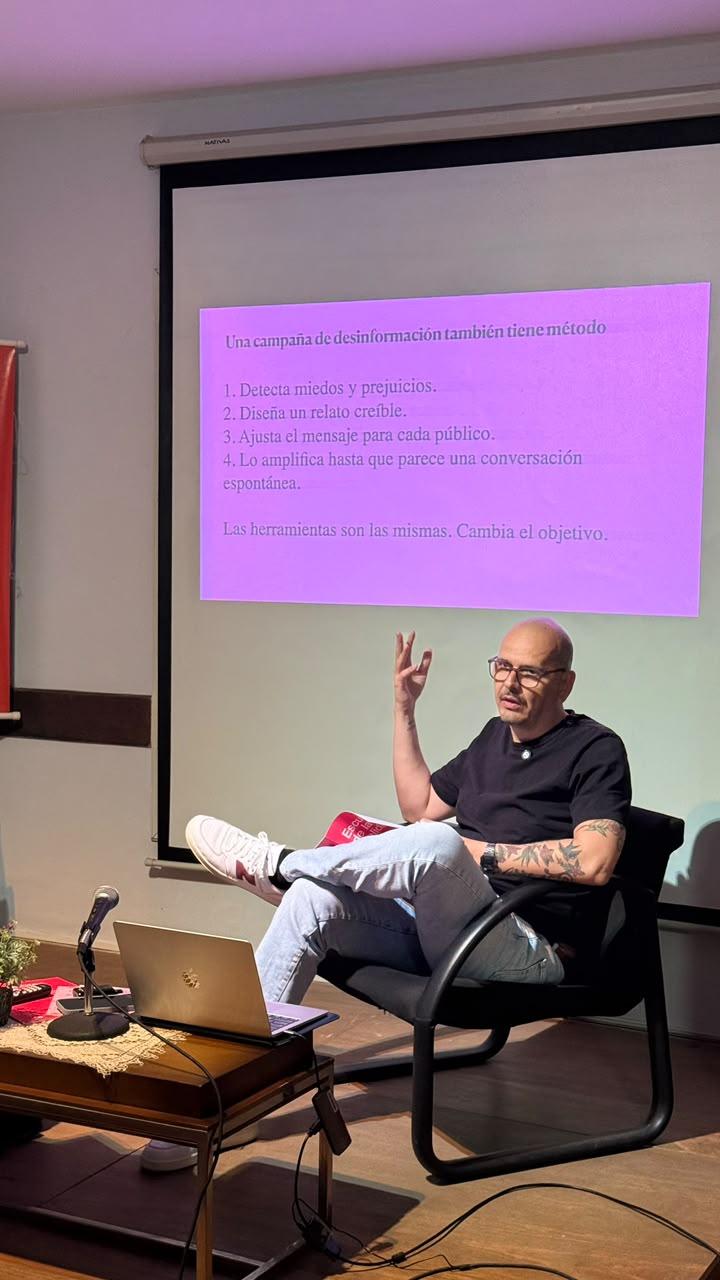
These exchanges among stakeholders from different sectors are key to continuing to examine how disinformation is produced, funded, and distributed—and to promoting more responsible practices across the information ecosystem.
Statement on digital violence
Following reports by students at the National University of Asunción (UNA) about the non-consensual circulation of intimate photos and AI-manipulated images of students, staff, and faculty, TEDIC shared information to raise awareness of the seriousness of these incidents and guide those affected. The reports described blogs and shared folders distributing the material across different faculties and academic units.
We stated that these acts constitute digital violence and may fall under the category of telematic violence recognized by Law 5777/16. Through our social media channels, we shared information about available resources and support options for those affected, while also emphasizing the importance of reporting sites where the content is being shared and not circulating it further. Through this statement, we sought to help ensure that such violence is not normalized and that those affected know support mechanisms are available.
Where are the women?
On September 25, we opened the art exhibition Where Are the Women? at the Las Sinsombrero Library in the Juan de Salazar Spanish Cultural Center. The exhibition is a TEDIC initiative developed as part of the All Male Panel project. It transforms a collaborative archive into works of art. The archive contains more than 1,500 records of panels, seminars, and public events in Paraguay made up exclusively of men since 2017. The exhibition invites visitors to question the absence of women experts from decision-making and public debate.
Through installations, photography, and an interactive component, the exhibition encourages reflection on inequalities in representation and recognition of the work of women who are transforming culture, art, academia, and activism. The opening included a tribute to ten leading figures in the cultural sector and a musical performance by Bianca Orqueda, bringing art, memory, and collective conversation together.



With this initiative, we aim to take the conversation about women’s representation beyond digital spaces and create new ways to highlight their contributions, challenge persistent forms of exclusion, and recognize those who are paving the way for others.
A zine on gendered disinformation targeting women in politics
In partnership with the Gender Equity and Equality Commission of the Chamber of Senators, we launched a zine on gendered disinformation targeting women in politics. It is the result of months of work and conversations with women involved in Paraguay’s political life. The publication brings together experiences and reflections on how disinformation and technology-facilitated violence affect their public participation and the exercise of their rights.
This resource aims to help identify and address these forms of violence by raising awareness of their impact and promoting conditions in which more women can participate in politics without attacks and disinformation campaigns becoming barriers to their participation.
TEDIC continues to serve on the PREVIM Roundtable
TEDIC was selected to serve another term on the PREVIM Roundtable, an interinstitutional coordination body led by the Ministry of Women to address violence against women. The first meeting of this new term took place on September 30, with civil society organizations and representatives from the Judiciary, the Ministry of the Interior, the National Police, the Supreme Court of Justice, and other public institutions.
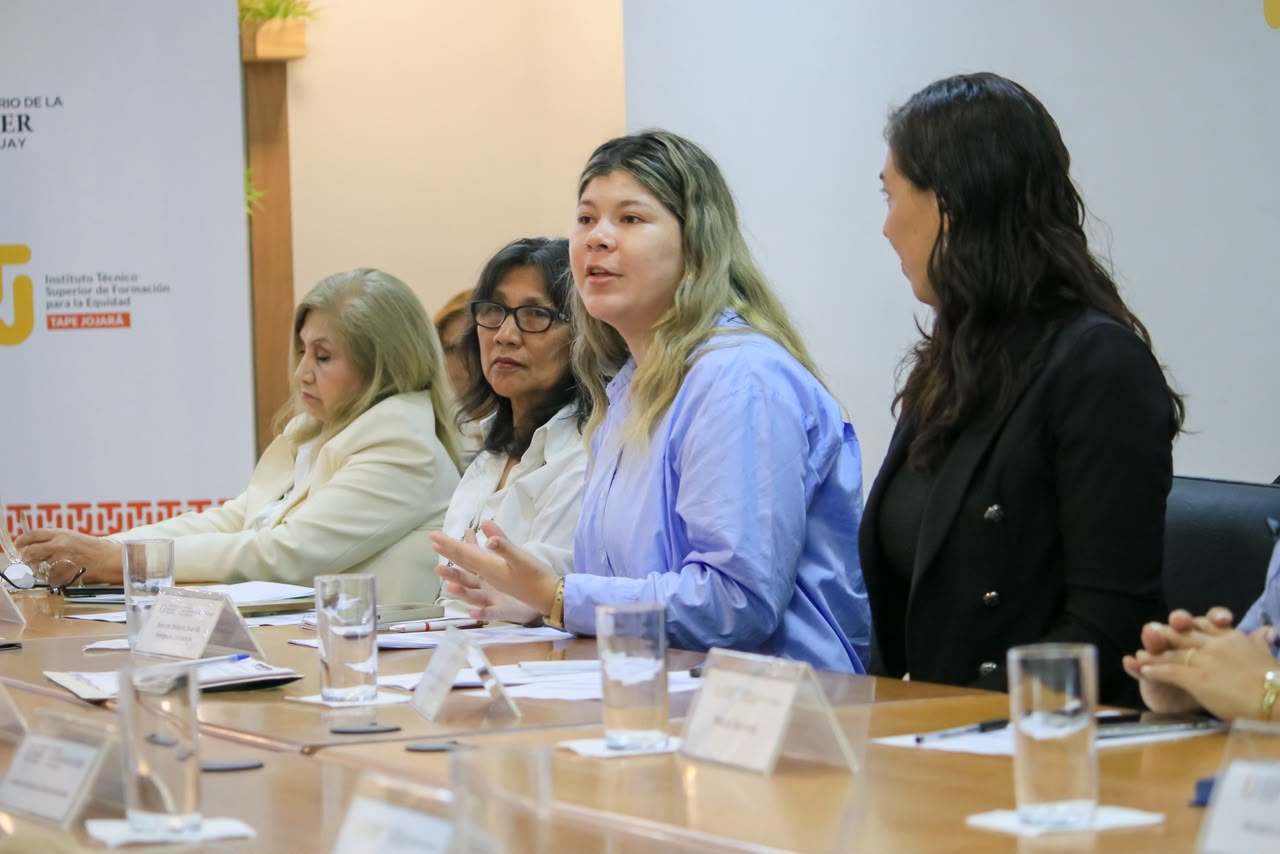
Our continued participation in this space allows us to contribute from a human rights and gender perspective, fostering dialogue among different sectors to address violence against women, including technology-facilitated violence.
Advocacy remains essential to driving change, strengthening alliances, and bringing our proposals to the spaces where public policies are shaped. These past months have reminded us of the importance of sustaining dialogue, generating evidence, and working alongside others to turn our demands into concrete action.