

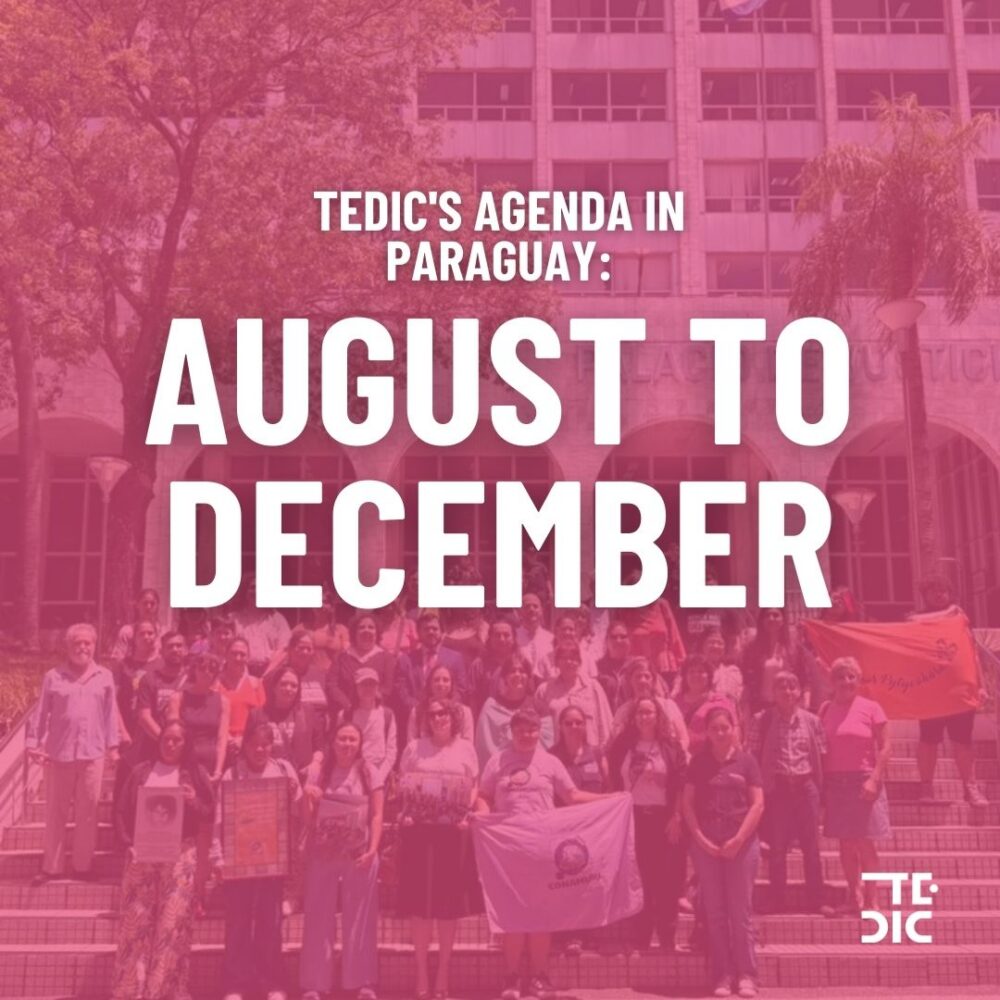
Our national agenda from August to December was marked by excitement, collective achievements, and grassroots organizing. But above all, we were protagonists and witnesses to a historic event that we had been working towards for more than ten years: the enactment of the Personal Data Protection Law, a fundamental regulation to protect the privacy and autonomy of Paraguayans both in digital environments and beyond.
In the second half of the year, we were present in the National Congress, participating in public hearings and submitting legal opinions; we formed alliances with ministries and international entities to promote our events; we launched research projects and fanzines and also took to the streets; we built tools with our community and held workshops to take care of ourselves as a group.
We invite you to read about all these actions that strengthen our defense of digital rights in our country:
Facial recognition: Advances in the strategic litigation initiated in 2018 by TEDIC
At TEDIC, we have been promoting strategic legal actions with the aim of demanding greater transparency in the use of state surveillance tools, such as facial recognition and other types of technology that process biometric data.
In 2025, seven years after initiating an unconstitutionality action due to the State’s insufficient and evasive response to requests for public information on the functioning and risks of this technology, the Supreme Court of Justice’s ruling marks a milestone for transparency: “national security” cannot be used as an excuse to hide information.
Now, the Appeals Chamber has the opportunity to issue a decision in line with the fundamental principles of transparency, privacy protection, and access to information. The ruling adopted at this stage will be crucial in defining the future of these rights in Paraguay and establishing clear limits on the implementation of biometric technologies that have a high impact on people’s lives.
We took our report on Law 5777/16 to different departments across the country
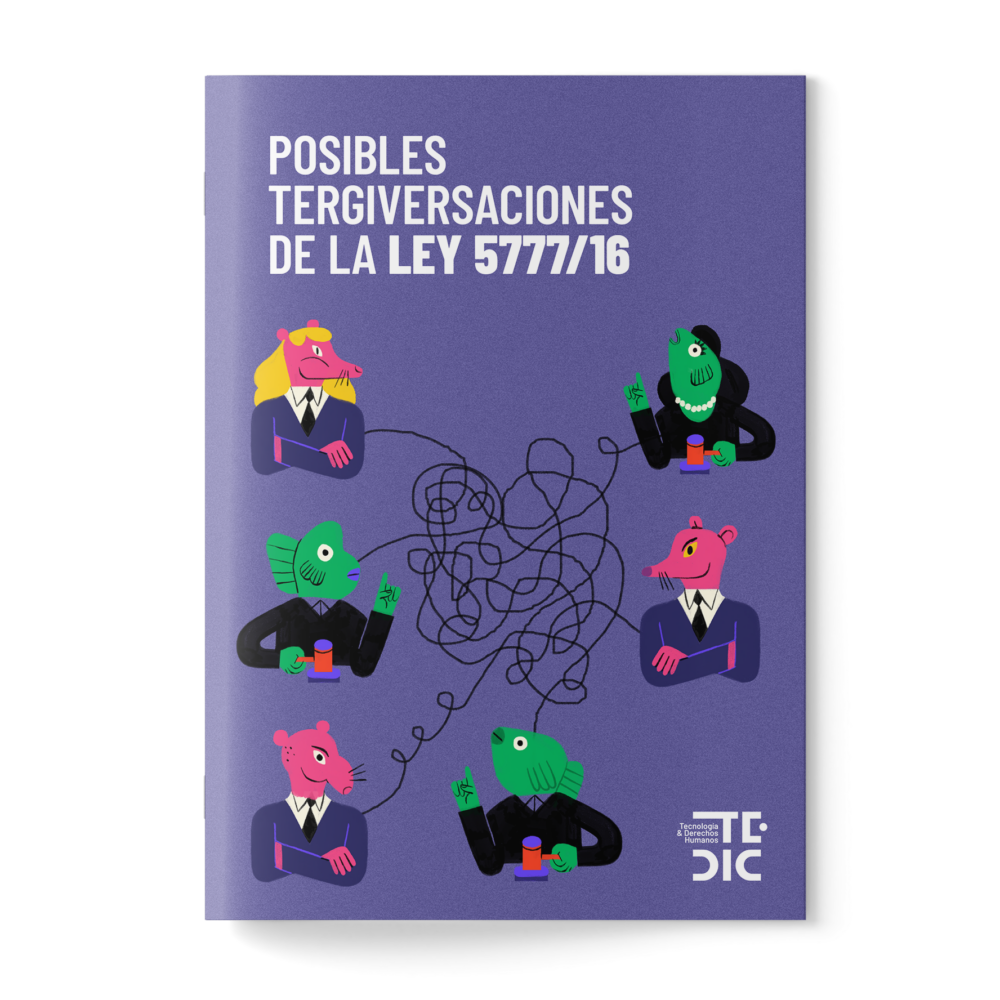
In August, we completed the delivery of the report “Possible misinterpretations of Law 5777/16,” in coordination with the Gender Secretariat of the Judiciary and with the support of Christian Chena. The material was distributed to more than 70 magistrates’ courts in different departments of the country, including Central, Caaguazú, Canindeyú, Ñeembucú, Cordillera, and Paraguarí, among others.
In this report, we analyze six legal cases in which judges misapplied Law 5777/16, using it to censor journalists, shield authorities, and persecute critical voices.
Our goal is not to question this law, but to defend it: with this investigation and its national distribution, we seek to contribute to a more conscious justice system that is sensitive to gender issues and respectful of the fundamental rights of all people.
For a grooming law that protects children and does not threaten freedoms
In September, TEDIC was invited to participate in a public hearing and present a legal opinion on the draft law “On the protection of children and adolescents against grooming in Paraguay.”
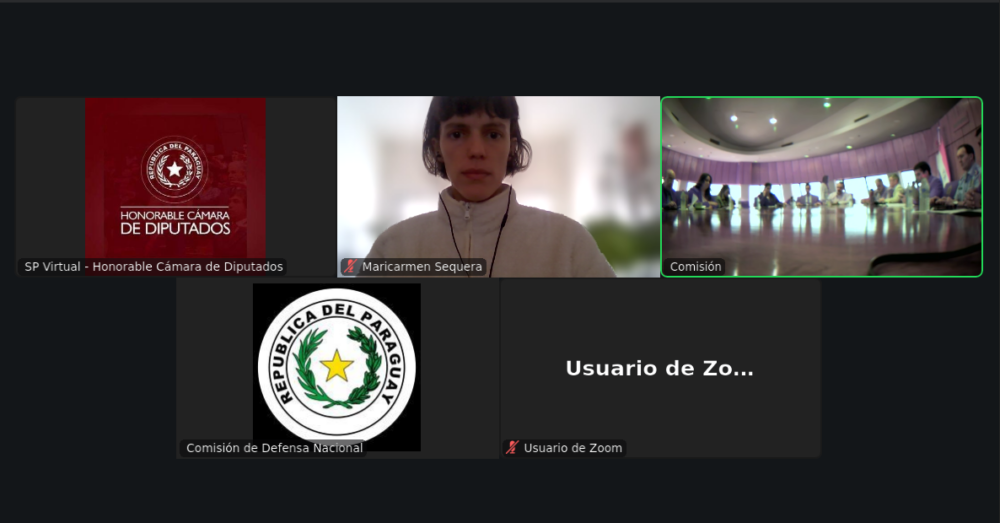
Despite its intentions to protect children, prevent abuse, and punish this crime, the legislation poses some risks that we believe could violate fundamental rights in the digital environment.
We believe that addressing grooming requires a comprehensive approach that focuses both on the care of children and adolescents and on the defense of a free, safe, and respectful Internet.
You can read our legal opinion here.
#ConMiCaraNo (Not with my face) neither on the field, nor at the expo, nor on the benches
In September, the APF attempted to install turnstiles with facial recognition technology at the Defensores del Chaco stadium. The measure sought to register 35,000 fans at each game, but without consulting the police and under the management of the Vázquez business group. After meeting with the police, they finally decided to withdraw this entry system.
Months earlier, at the traditional Expo 2025, a similar situation occurred: the same business group installed its equipment for collecting, processing, and storing biometric data for people attending the event. Many people pointed out this invasive control, but the system continued to operate as usual.
In this context, we stopped the ball and relaunched our #ConMiCaraNo campaign, posting statements and information carousels on social media. At TEDIC, we have been warning that facial recognition technologies are being implemented without specific regulation in streets, stadiums, public offices, and institutional buildings. Millions of pieces of biometric data, such as our faces, fingerprints, and movements, are collected daily without the consent or control of citizens.
One of our main recommendations is to suspend the use of these technologies until the Personal Data Protection Law is regulated. Because without regulation, there is no protection. And without protection, there is no freedom.
Dialogue with civil society and social actors
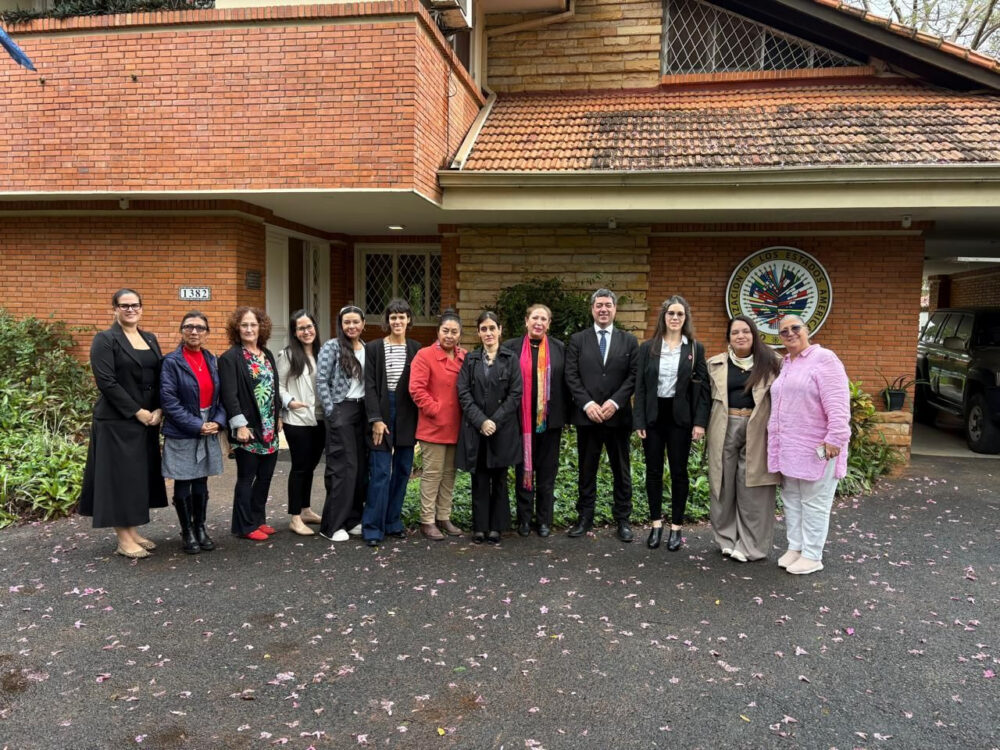
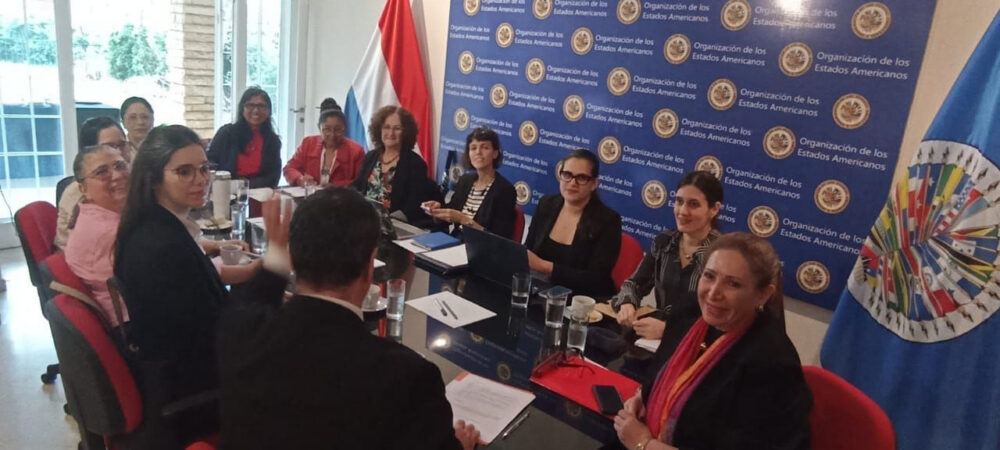
We participated in the National Dialogue with Civil Society and Social Actors – Paraguay, organized by the Ministry of Foreign Affairs and the OAS in preparation for the 2025 Summit of the Americas.
The National Dialogue provides a space where representatives of organizations present and discuss recommendations to their country’s National Summit Coordinator on the central theme of the summit, which in this case is based on human security, covering citizen security, food security, energy security, and water security.
At TEDIC, we discussed the issue of citizen security: cybersecurity, critical infrastructure, and meaningful connectivity, emphasizing our commitment to access and protection for all people in digital environments.
We resist and build alternatives inside and outside digital spaces
One of the most important moments of this year was our event: Ctrl+Alt+Resist, where we launched research, articles, and collective proposals on trends in digital rights in Paraguay (2024-2025) and technological phenomena such as mass surveillance, disinformation, and personal data protection, among others.
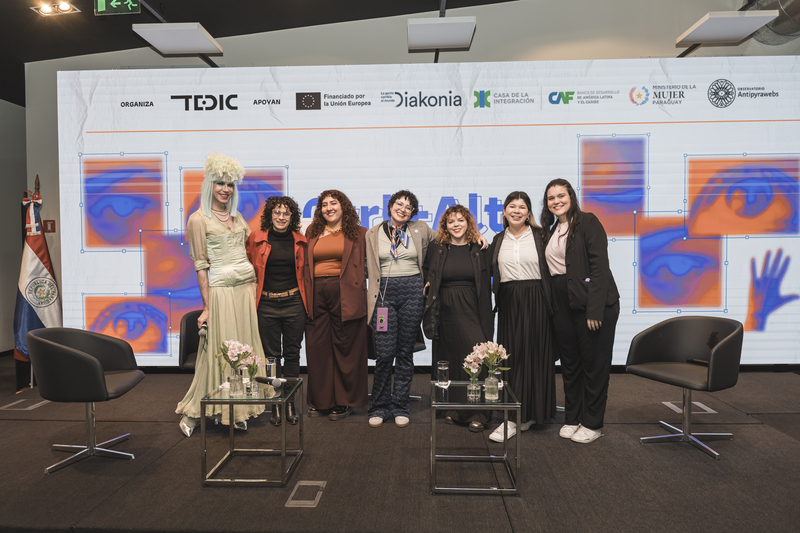
In the event hall of CAF’s Casa de la Integración and in partnership with the Ministry of Women, in front of more than 100 people, we presented the following research:
• “Sculptors of reality: The structural role of advertising agencies in the disinformation ecosystem,” by Guillermo Ramírez Lovera.
• Drones: Regulation and use of drones in Paraguay from a digital rights perspective, by Hugo Mendieta and Antonia Bogado.
• The Claro case, SEDECO, and the “Do Not Disturb” Law: a judicial milestone, digital rights, and invasive advertising in Paraguay, by Antonia Bogado, with the participation of Gustavo Benítez, Legal Director of SEDECO.
• Articles from the cyborgweb Walkthrough of a financial app with a tiered refund system by Riccardo Castellani.
• Digital fashion, surveillance, and new subjectivities, developed by our colleague Jazmín Ruíz Díaz.

Gen Z Demonstration: We provided information and tools for freedom of protest
For several years, we have been documenting the different types of mass surveillance technologies used by the national police to repress and persecute in the name of “national security.” In the context of the demonstration called by Generation Z in September, we warned about the disproportionate use of these systems, such as cyberpatrolling, which undermine freedom of expression and protest. In response, we offered digital security advice and tools through social media and the press for free demonstrations.
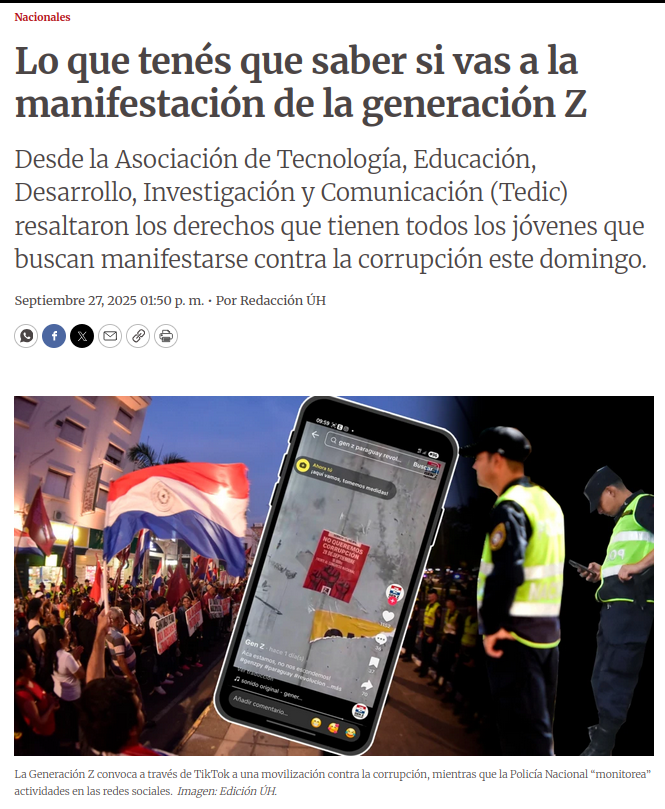
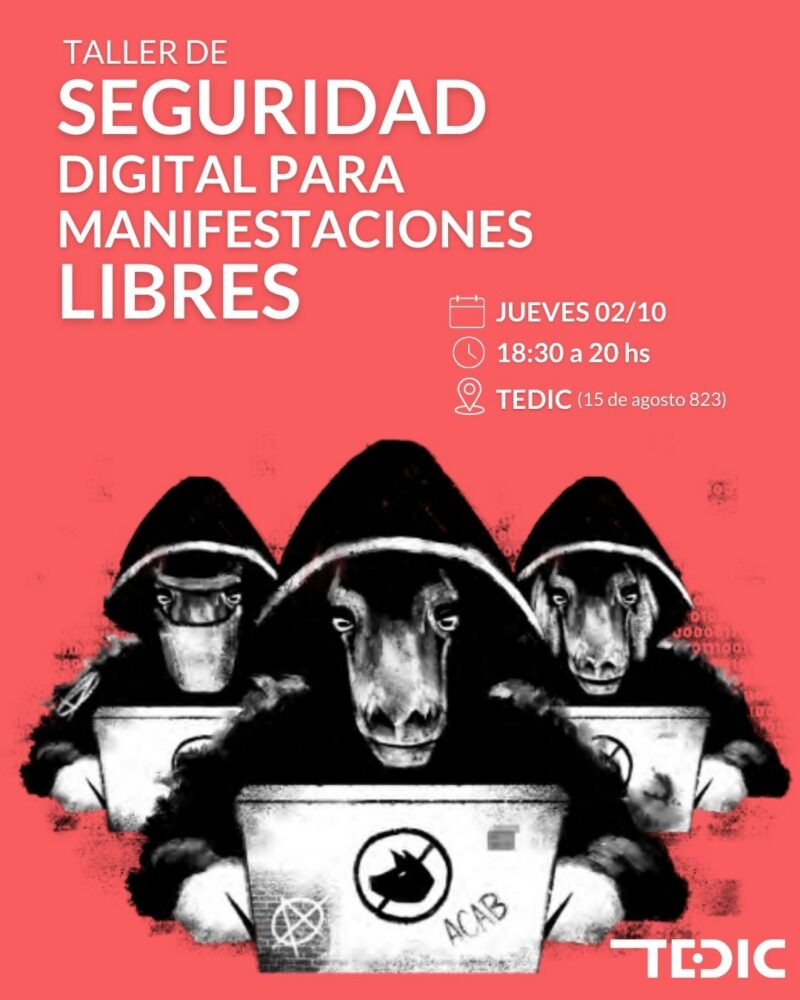
Likewise, days after the demonstration that left several young people repressed and even unjustly imprisoned, we held a digital security workshop at our office, open to everyone and mainly to those affected by the police actions.
Protesting is a right, and the police have an obligation to accompany marches and protect those who demonstrate. Taking to the streets, organizing in WhatsApp groups, or reporting cases of police violence is not a crime. Even when it comes to digital information, they must respect our rights.
Thinking about AI from an inclusive, ethical, and sustainable perspective
In October, we participated in Artificial Intelligence (AI) Day, led by our executive director, Maricarmen Sequera. This international event, held for the third time in Paraguay, aims to bring AI closer to the public with an inclusive, ethical, and sustainable approach.
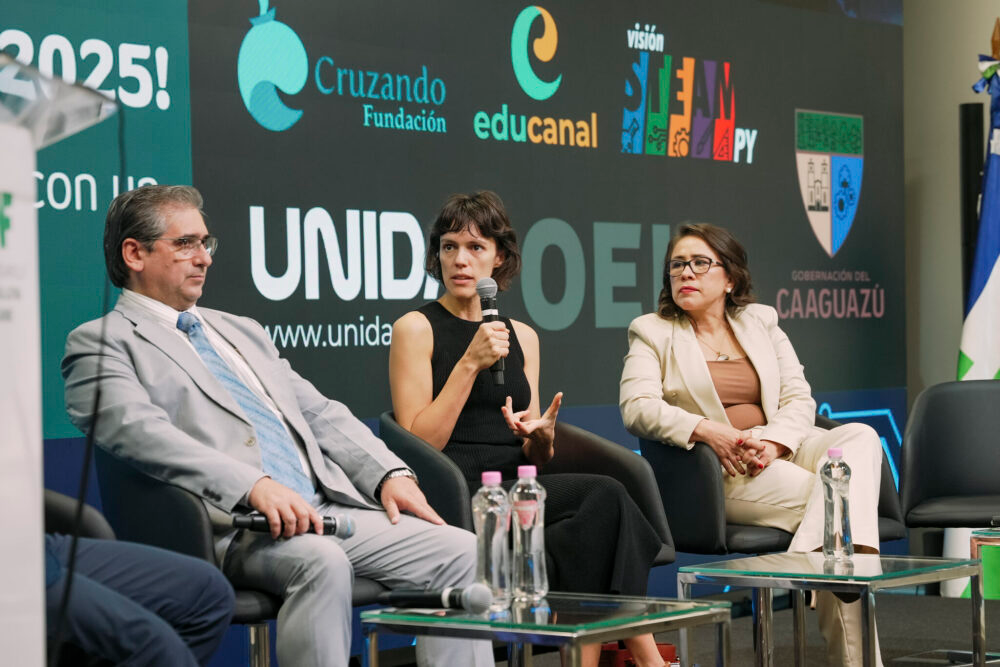
This year, the event was historic and decentralized, with its main venue at the CAF Integration Room in Asunción, and also taking place in a dual format at the Caaguazú Governorate in Coronel Oviedo and the UNIDA University branch in Ciudad del Este.
We participated in the panel “Public Policies, Digital Ethics, and AI Governance.” There, our director addressed AI trends in the country, the two legislative proposals, and her experience working as coordinator and principal investigator for UNESCO’s Global Index AI and RAM.
During November, the UNDP held consultations with experts to develop its own AI measurement system for the country. The Artificial Intelligence Landscape Assessment (AILA) aims to measure the risks and opportunities of AI, and to this end, it brought together experts on the subject who could contribute their perspectives. At this meeting, TEDIC was invited to complete the survey and discuss priorities.
For lives free from physical and digital violence
In November, as part of the 25N (International Day for the Elimination of Violence against Women), we participated in the National Forum “Women in the Public Sphere: Participation Free from Political and Digital Violence,” held at the Casa de la Integración (Integration House) of the Development Bank of Latin America and the Caribbean (CAF).

The Forum aims to raise awareness and promote concrete actions to address two problems that directly affect the exercise of women’s rights and their participation in decision-making spaces: political violence and violence in the digital environment.
In this context, our Gender and Technology Coordinator, Jazmín Ruiz Díaz, participated as a panelist on the panel “Violence in the Digital Environment: Security, Freedom of Expression, and Women’s Participation in Technological Environments.”
Personal Data Protection Law: A Historic and Collective Achievement
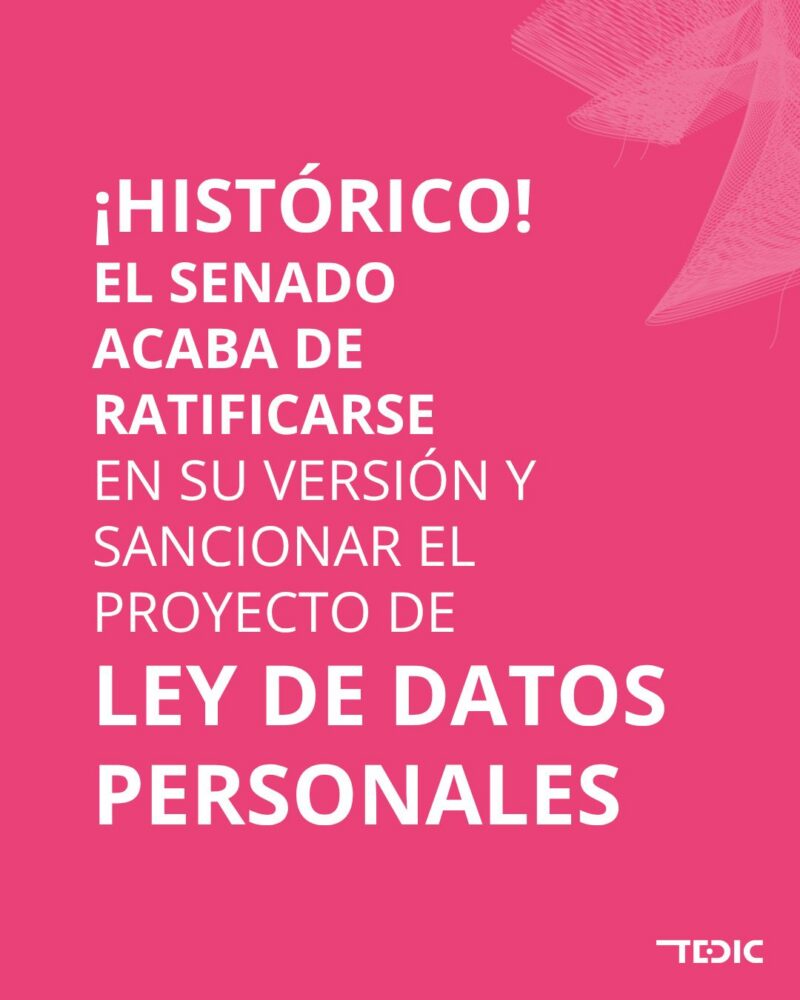
On November 27, after four years of being introduced in the Legislative Branch and ten years of advocacy alongside the Personal Data Coalition, the Executive Branch enacted Law No. 7593/2025 on Personal Data Protection in Paraguay.
Paraguayans now have a new right guaranteed by the State, and this is a collective achievement, built through multisectoral collaboration and based on evidence. Although the final version of the law that was approved differs from the ideal draft presented by the Coalition, most of the conceptualization, principles, rights structure, and alignment are implicitly and largely inspired by the work carried out over all these years.
From TEDIC, as a member of the Coalition, we recognize that this approved law is a standard that can be improved and we reaffirm our commitment to the effective implementation of the law, participation in regulation, the defense of human rights in digital environments and the future promotion of an independent authority.
We celebrate this new right that puts people’s well-being and autonomy at the center; that recognizes that data belongs to individuals, not companies or institutions, and that its use must be regulated with consent, responsibility, and transparency.
Read our full journey with this law here.
UNESCO RAM: A Roadmap for Implementing Ethical and Inclusive Artificial Intelligence
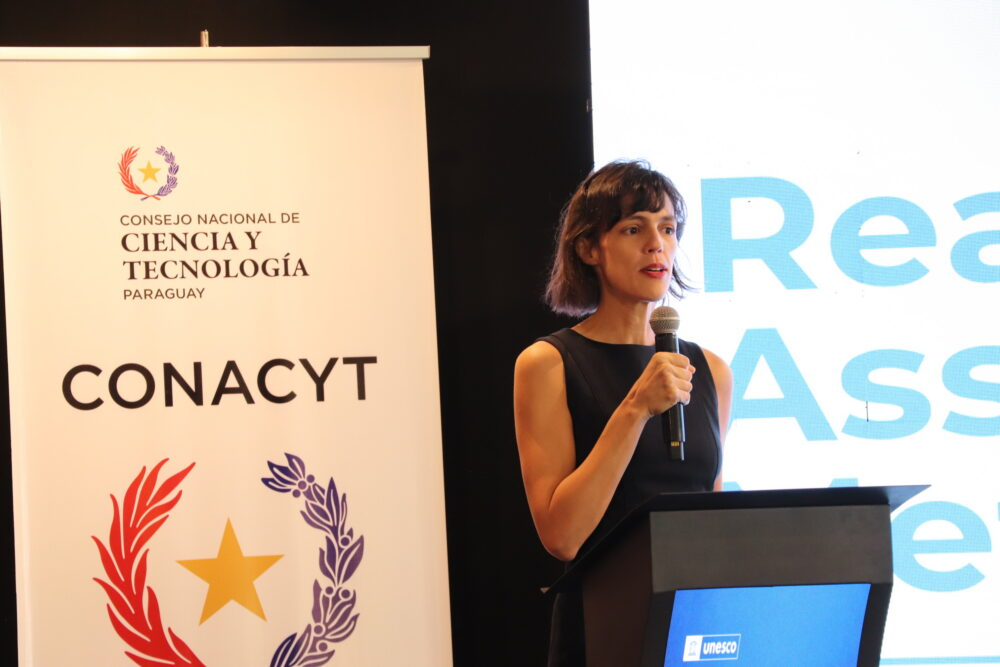
Paraguay presented the UNESCO RAM report on artificial intelligence: a national assessment that measures the country’s readiness to adopt and govern AI technologies ethically, inclusively, and responsibly.
This study was developed in collaboration between UNESCO, the Ministry of Information and Communication Technologies (MITIC), and the National Council of Science and Technology (CONACYT), with the participation of more than 50 organizations and experts, including our Executive Director, Maricarmen Sequera, as research coordinator.
The report identifies progress in cybersecurity, data governance, and digital infrastructure, but also challenges in education, data protection, and regulation.
You can find the full report here.
We Contributed to Codehupy’s 2025 Human Rights Report

As we have done every year since 2016, we contributed to the Annual Report on the Human Rights Situation in Paraguay 2025. On December 10, International Human Rights Day, we participated in the official launch of the report alongside various organizations in the Auditorium of the Library and Central Archive of the National Congress.
This edition—the 30th—brings reflections and analyses from diverse organizations and human rights defenders on the main challenges and progress in the country.
From TEDIC, our Gender and Technology Coordinator, Jazmín Ruíz Díaz, contributed an article from our perspective on digital rights in Paraguay. We will also have a booth at the event.
This report is a fundamental contribution to understanding the national reality and current challenges in the area of human rights.
We’ll say goodbye for now…
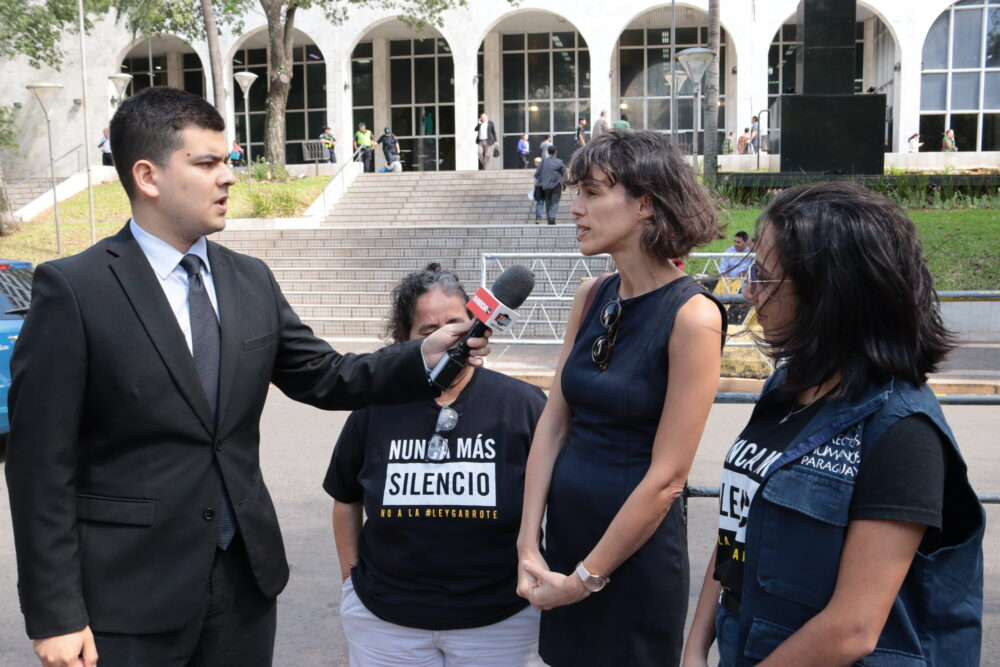
At the time of this blog’s closing, our last action was the filing of an Action of Unconstitutionality against Law No. 7363, known as the “Gag Law,” as part of the Paraguayan Human Rights Coordinating Committee (Codehupy). We believe this law establishes excessive, discretionary, and punitive control over non-profit organizations, violating fundamental rights guaranteed by the National Constitution.
This legislation is part of a systematic pattern implemented by the State over the past few years to restrict freedoms, weaken civic space, and consequently, democracy itself. In this context, we recognize that this has not been an easy year for social and community organizations; however, documenting our experiences helps us to highlight all that we accomplished for the digital rights of Paraguayans in 2025. We close this period with the conviction that the struggle is collective and that, despite attempts to reverse progress, we will continue moving forward towards building safer, more inclusive, and participatory digital environments where everyone’s voice matters.
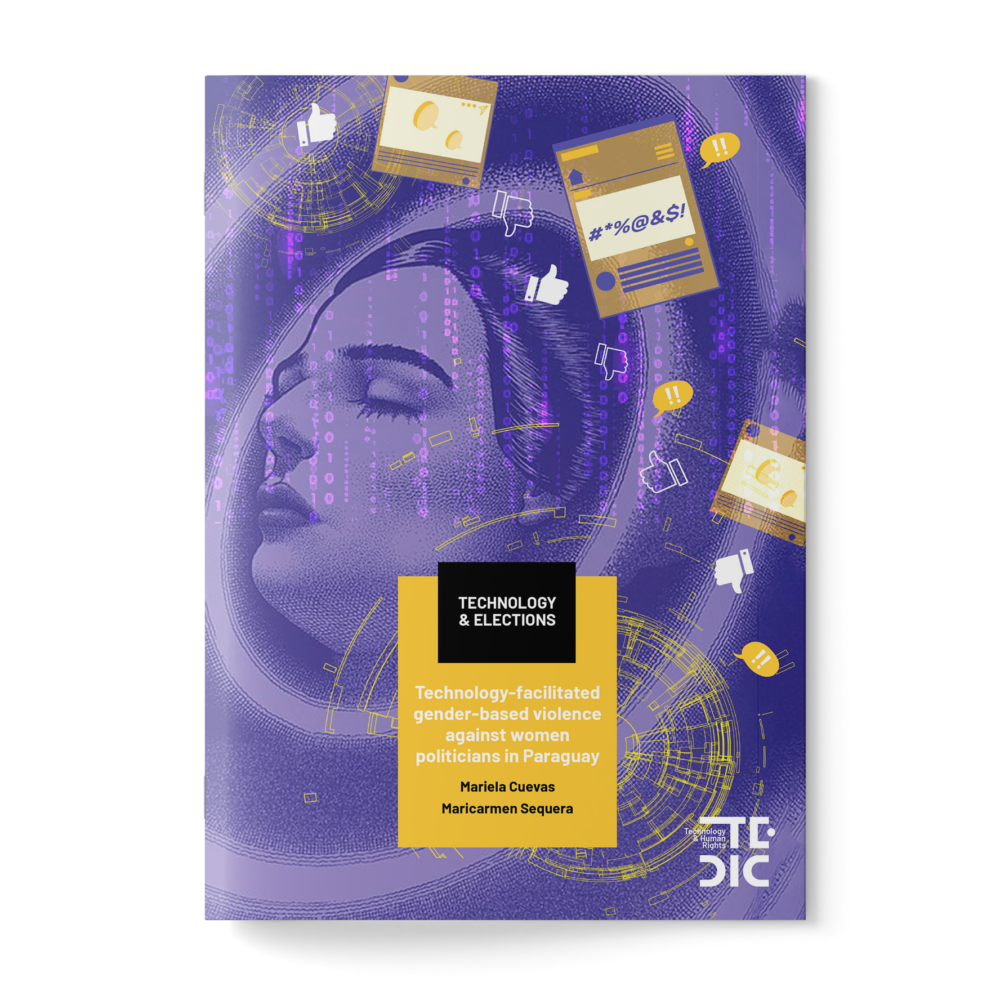 [Research] Technology-facilitated gender-based violence against women politicians in Paraguay